
If you’ve been wondering how to stop slugs and snails in the garden, the frustrating truth is that there is no single miracle fix. These pests are drawn to soft new growth, damp conditions, and hiding places, which is why they often seem to appear overnight. The good news: you can usually reduce the damage a lot without resorting to harsh chemicals.
The most effective approach is not one trick, but a combination of small changes. Make the garden less inviting, protect the plants they love most, and check regularly when conditions are right for slug and snail activity. That way, you can keep your seedlings and borders in much better shape without trying to wipe out every last mollusc.
Why slugs and snails show up in the first place
Slugs and snails are not random invaders. They thrive in cool, moist conditions and spend much of the day hidden away from heat and drying wind. When the weather turns wet, or when a garden stays damp for long periods, they become much more active.
That is why they often seem to surge after rain, in spring when fresh growth is tender, and in shaded gardens where the soil stays moist. Evening watering can also make the problem worse, because it leaves leaves and soil surfaces damp right when these pests come out to feed.
They are also opportunists. A garden full of shelter, mulch, weeds, low piles of debris, or crowded plants gives them exactly what they need: food and a place to hide during the day. If you reduce those conditions, you usually reduce the damage too.
Think of slug and snail control as garden design as much as pest control. The less attractive your garden is to them, the less time they can spend feeding in it.
Which plants they usually target first
When people search for how to stop slugs and snails in the garden, they are often dealing with a few plants that get hit first and hardest. Slugs and snails tend to prefer soft, tender growth they can chew quickly. New seedlings and freshly planted transplants are usually the most vulnerable.
Tender seedlings and young transplants
Plants at the seedling stage are the easiest targets because they have thin stems and soft leaves close to the soil. Once a seedling is badly damaged, it may not recover well even if the pest moves on.
Common victims include lettuce, beans, brassicas, basil, marigolds, dahlias, zinnias, and many new herbs. Any young plant that is freshly transplanted and still settling in can also be at risk.
Soft, low-growing, and moisture-loving plants
Slugs and snails often go for plants whose leaves sit close to the ground or stay lush and tender for a long time. Hostas are a classic example, as are many salad greens, strawberries, astilbe, delphiniums, and other leafy ornamentals.
These plants are not doomed. They just need more protection, especially in damp weather or in beds where slug activity is already high.
Plants they often avoid or damage less
Plants with tougher, leathery, fuzzy, or strongly aromatic leaves are usually less tempting. That does not mean they are immune, but they are often damaged less severely than tender greens or succulent foliage.
This can help when planning beds. If you know a border is a trouble spot, place more vulnerable plants in protected positions and use tougher plants at the edges.
How to stop slugs and snails in the garden with non-toxic methods
The most reliable non-toxic control comes from combining several methods. No single tactic works perfectly on its own, but a layered approach can make a real difference.
1. Remove hiding places
Slugs and snails need shelter during the day. If you remove that shelter, you make the garden less comfortable for them.
- Lift pots off the ground where possible.
- Clear away old boards, plant labels, stone piles, and debris.
- Thin out very dense weeds or groundcover in problem areas.
- Rake up dead leaves and fallen fruit regularly.
- Check under trays, stones, and containers, where they often hide.
This is not about making the garden bare. It is about removing the damp, dark pockets where pests can rest through the day and emerge at night.
2. Water in a way that works against them
Watering habits matter more than many gardeners realise. Damp surfaces encourage feeding, especially when moisture lingers into the evening.
Whenever possible, water in the morning so the soil surface can dry before nightfall. Aim water at the base of plants rather than over the leaves. In beds that stay soggy for too long, look at drainage as well as watering routine.
If you have a problem patch, try to avoid keeping it constantly wet. Most plants need moisture, but not every part of the garden needs to be damp all the time.
3. Protect the plants they love most
Protection is most useful when plants are young or especially appetising. Seedlings, new transplants, and prized ornamentals deserve extra attention.
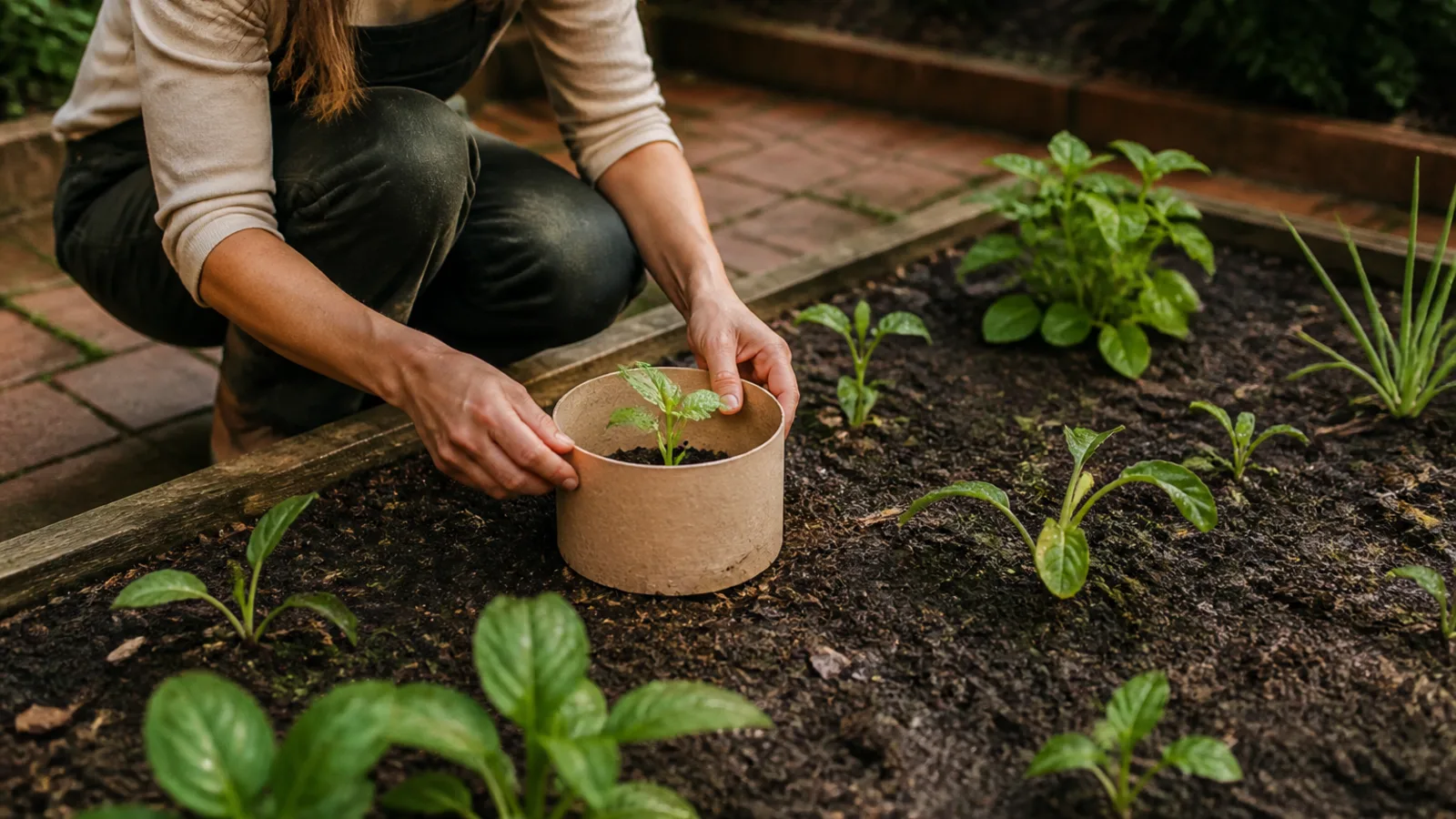
- Use collars or rings around individual seedlings or small plants.
- Cover vulnerable crops with cloches, mesh, or mini tunnels while they establish.
- Raise pots and trays on feet or stands so they are less accessible.
- Group vulnerable plants where they are easier to monitor and protect.
These barriers are especially helpful in the early stages, when plants are too small to withstand repeated chewing.
4. Check at the right time and remove them by hand
One of the simplest ways to cut damage is to inspect the garden when slugs and snails are active: after rain, in the evening, or early in the morning. That is when they are most likely to be out feeding.
Hand-picking is not glamorous, but it can be effective, especially in smaller gardens. Look under pots, leaves, stones, and plant collars. If you remove a few each night during a wet spell, you can sometimes make a noticeable dent in the damage.
If you relocate them, check local guidance first. In some places, moving garden pests away from beds is acceptable; in others, disposal methods may be preferred. The key is to do it responsibly and humanely.
5. Try barriers that suit the space
Some barriers can help, though none are foolproof on their own. They work best when the infestation is moderate and the plants are well protected in other ways too.
Copper barriers can discourage slugs and snails when used properly on pots or small beds. They need to stay clean and uninterrupted to work well, so they are more practical for containers and compact areas than for large borders.
Physical collars and cloches are often more dependable for seedlings. They create a more direct shield and can be lifted once plants are sturdier.
Dry or gritty surfaces around the base of a plant may help in some situations, but they usually work best as part of a broader plan rather than as a stand-alone fix.
For more guidance on garden-friendly pest management, resources from organisations such as the Royal Horticultural Society and local extension-style gardening services can be useful starting points.
6. Encourage natural predators
Birds, frogs, toads, beetles, and hedgehogs can all help keep slug and snail numbers in check. A garden that supports wildlife often has better natural balance overall.
You can encourage predators by offering shelter, water, and a less disturbed environment. A small wildlife-friendly corner, a shallow water source, or some dense planting nearby may help attract beneficial creatures.
It is worth being realistic, though. Predators will not clear every slug or snail from a garden. But over time, they can contribute to better control.
What works best in specific garden situations
The right approach depends on where the damage is happening. A container collection, a vegetable patch, and a mixed border each call for slightly different tactics.
For seedlings in pots
Pots are easier to protect than open beds, which makes them a good place to start. Use collars, place pots on stands, and keep them off the ground if possible. Check them often after rain.
Because compost in containers can stay damp for longer than people expect, avoid overwatering. Moist is good; waterlogged is not.
For raised beds and vegetable patches
Raised beds can still attract slugs and snails, especially if they are full of tender crops. The advantage is that it is easier to monitor them and act quickly.
Focus on the most vulnerable crops first. Lettuce, beans, young brassicas, and freshly transplanted herbs may need collars or temporary covers. Keep the edges tidy, remove debris, and check the underside of boards or bed corners where pests may gather.
Morning watering and regular harvesting can also help. A bed with less surplus foliage and fewer damp hiding places is less inviting.
For ornamental borders
In flower borders, the damage is often localised. Maybe the hostas are shredded while nearby plants are untouched. In that case, protect the favourites rather than trying to treat the entire border the same way.
Place tougher plants in exposed spots and more vulnerable ones where you can monitor them easily. If a bed has a consistent slug problem, you may want to reduce very dense ground cover or improve airflow so the soil does not stay damp for so long.
A seasonal plan that makes control easier
Slug and snail pressure changes through the year. A seasonal routine helps you stay ahead of the worst outbreaks.
Spring
This is the time to protect new growth. Seedlings, transplants, and emerging bulbs are all vulnerable. Start checking beds early, especially after mild, wet spells.
Remove overwintering shelter such as old leaves, debris, and hidden clutter. If you can reduce the number of damp hiding places before the main growing season begins, you may see less pressure later on.
Summer
In many gardens, summer means less slug activity overall, but wet spells can still cause trouble. After rain, check the plants most likely to be hit and be ready to reapply barriers or collars that have moved or degraded.
If you water a lot in hot weather, try to do it early. The aim is to avoid creating a damp, night-time buffet.
Autumn
Autumn is a good time to tidy beds before wetter weather returns. Clear fallen leaves, reduce excess clutter, and check drainage in the areas that stay soggy.
This is also a sensible time to review what was hit hardest during the year. If certain plants were repeatedly damaged, consider moving them or giving them better protection next season.
Winter
In winter, focus less on active feeding and more on prevention. Remove sheltered hiding spots where feasible, improve soil structure and drainage, and plan where vulnerable seedlings will go in spring.
It is a quiet season, but the groundwork you do now can save a lot of damage later.
Mistakes that can make the problem worse
It is easy to spend time and money on methods that do very little. It is also easy to accidentally create better conditions for slugs and snails.
- Watering late in the day, which keeps surfaces damp overnight.
- Leaving mulch too close to tender stems in wet weather, especially where it stays soggy.
- Using only one control method and expecting it to solve everything.
- Ignoring hiding places such as pots, boards, and dense weeds.
- Using salt or harsh DIY remedies that can damage soil and harm other wildlife.
Also be cautious with any commercial product. Read labels carefully and choose the least harmful option that suits your garden and local guidance. If you are unsure, a local garden centre or horticultural service can often help you compare options.
When to accept some damage and when to act faster
A few holes in a leaf are normal in many gardens. Not every nibble means you have a major infestation. In fact, trying to eliminate every slug and snail is often unrealistic and can lead to harsher methods than you really need.
That said, it is worth acting more quickly if:
- seedlings are being stripped before they establish
- new transplants fail repeatedly
- whole leaves or stems are disappearing overnight
- the damage spreads across several beds after wet weather
At that point, combine several methods at once: tidy the area, adjust watering, protect the most vulnerable plants, and inspect regularly. The aim is not perfection. It is to reduce losses enough that your garden can grow and recover.
If you want the short version of how to stop slugs and snails in the garden, it is this: make the space less damp and less sheltered, protect the plants they love most, and check often when conditions are right for them. That approach is far more effective than hoping one simple fix will do everything.
FAQ
What is the best non-toxic way to stop slugs and snails in the garden?
The best approach is usually a combination of methods: remove hiding places, water in the morning, protect seedlings with collars or covers, and check for pests after rain or in the evening. No single method works perfectly on its own.
Why are slugs and snails worse after rain?
Rain creates the cool, moist conditions they prefer and makes it easier for them to move across the garden without drying out. Wet weather can also leave leaves and soil damp for longer, which encourages feeding.
Which plants do slugs and snails eat first?
They usually go for soft, tender plants first, especially seedlings and fresh transplants. Common targets include lettuce, beans, brassicas, basil, hostas, strawberries, and other leafy plants with soft foliage.
Do copper barriers really work?
They can help, especially on pots and small protected areas, but they are not a complete solution. They work best when they are clean, properly installed, and used alongside other methods such as hand-picking and tidying.
How do I protect seedlings without using chemicals?
Use physical protection such as collars, cloches, or mesh covers, and check the plants frequently during wet spells. Raising pots, watering in the morning, and keeping the area tidy can also reduce damage.
Slug and snail problems can be discouraging, but they are usually manageable once you understand what attracts them. If you focus on prevention, protection, and timing, you can make a noticeable difference without harsh chemicals and without expecting a total wipeout.




Join the conversation
Sign in — Sign in to join the conversation.