
Figuring out what to wear to a work event can feel oddly stressful. You want to look polished enough to fit the occasion, but not so dressed up that you seem to be trying too hard. You also want to avoid the other common mistake: showing up in something that feels too casual once you’re standing next to colleagues, clients, or senior leaders.
The easiest way to get it right is to think in formulas, not one perfect outfit. A work event is usually about looking intentional, put together, and comfortable enough to move through the evening without fuss. The right outfit depends on the venue, the time of day, the tone of the invite, and how formal your workplace tends to be. Below, you’ll find clear outfit ideas for conferences, dinners, after-work drinks, and office parties, plus the details that make any look feel more refined.
How to approach a work event outfit without overthinking it
Start with the event itself, not the clothes. A work event can mean anything from a daytime conference to a client dinner or an office holiday party, and each one asks for a slightly different level of polish. The safest rule is simple: aim to look a step above your everyday office outfit, but stop short of full eveningwear unless the invitation specifically calls for it.
There are five questions worth asking before you get dressed:
- When is the event, and does that suggest a daytime or evening level of polish?
- Where is it happening, and does the venue lean formal, casual, creative, or corporate?
- How long will you be there, and will you be sitting, standing, networking, or dining?
- Who will be there, and would your manager or a senior colleague wear something similar?
- Why are you attending, and do you need to look client-ready, approachable, or a little more fashion-forward?
If you are unsure, choose one polished element and keep the rest understated. That might mean tailored trousers with a softer blouse, a midi dress with a blazer, or dark jeans with a sharp jacket and clean shoes. Fabric, fit, and footwear matter more than trendiness here. A well-fitting outfit in a good fabric usually looks more expensive and more appropriate than something flashy.
The 3 outfit formulas that work for most work events
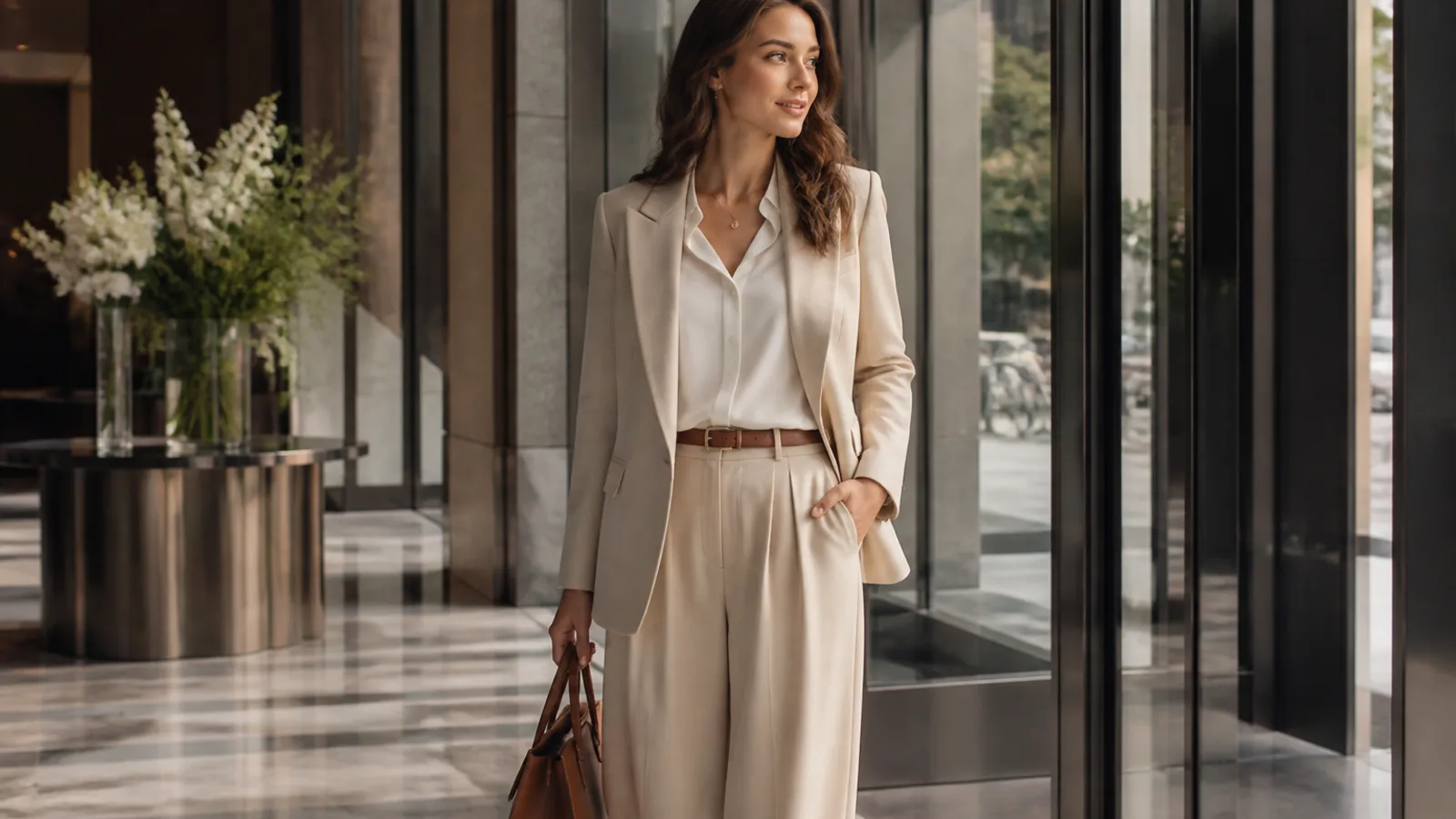
Tailored trousers + silky top + low heel or sleek flat
This is one of the most reliable options for a work event because it works across many settings. Tailored trousers feel professional. A silky or satin-look top softens the look and makes it feel more evening-appropriate. A low heel or polished flat keeps it practical.
Best for: conferences, dinners, team celebrations, networking events, and occasions where you may move from mingling to sitting down for dinner.
How to make it work: choose trousers with a clean line, such as straight-leg, tapered, or wide-leg styles. Tuck in the top or choose a piece that skims the waistband neatly. Add a blazer if the event is more conservative, or skip it if the setting is relaxed. Keep jewelry simple so the outfit reads as polished rather than busy.
This formula is especially useful if you want to look confident and understated. It also photographs well, which matters more than people think when work events end up on company social posts or in group pictures.
Midi dress + structured blazer or cardigan + refined shoes
A midi dress is a strong answer to what to wear to a work event when you want something feminine but not overly formal. The key is to choose a dress with clean lines and a polished fabric. Then add structure on top so it feels workplace-appropriate.
Best for: client dinners, after-work drinks, awards evenings, company celebrations, and events where you want to look dressed up without being too conspicuous.
How to make it work: look for a hemline that feels easy to sit in, a neckline that feels secure, and sleeves or a layer that offers a bit of coverage if needed. A blazer sharpens the look; a cardigan can make it feel softer and more approachable. Shoes can change the tone too: low heels feel dressier, loafers feel modern, and sleek ankle boots can make the outfit feel more grounded in cooler months.
If you do not usually wear dresses, this is still worth trying. A simple midi dress can be more comfortable than separates when you want to avoid constantly adjusting your outfit. Choose one with a defined waist or a fluid shape that gives structure without feeling fussy.
Dark jeans or ponte pants + elevated top + smart shoes
This formula works well for more casual offices, creative workplaces, informal team gatherings, or after-work events where the dress code is loose but you still want to look intentional. The trick is to keep the base relaxed and elevate it with the top, shoes, and accessories.
Best for: casual office parties, low-key drinks, internal socials, and creative industry events.
How to make it work: choose dark, clean jeans without rips, fades, or distressing. Ponte pants are an easy alternative if you want comfort with a slightly more polished finish. Pair them with a blouse, satin top, fitted knit, or a shirt with a neat collar. Finish with loafers, a sleek ankle boot, or a pointed flat.
This is the outfit formula that often saves people who feel overdressed in a dress but underdressed in their everyday work clothes. It can look quietly sharp if the fit is right. Add a belt, a tidy tuck, or a crisp jacket if you want the whole look to feel more deliberate.
What to wear to different types of work events
Conferences and professional networking events
For conferences, the goal is to look capable, comfortable, and approachable. You may spend hours on your feet, move between rooms, and meet people in quick conversations. Your outfit should support that pace, not get in the way.
Good options include a blazer with trousers, a midi dress with flats, or coordinated separates in a polished fabric. A structured bag is useful if you need to carry a phone, charger, notebook, and business cards. Layers matter too, since conference venues can be unpredictable in temperature.
Choose shoes you can actually walk in. You do not need towering heels to look professional. A low block heel, sleek flat, or loafer can look just as polished, and you are more likely to stay comfortable through the day.
If you want a quick framework, think: easy to move in, easy to sit in, easy to stand in. That is what makes conference dressing work.
After-work drinks
After-work drinks usually call for relaxed sophistication. You want a look that says you made an effort, but you do not want anything too formal or rigid. This is a good time to wear one softer or slightly more fashion-forward piece.
Try a satin-look top with straight-leg trousers, a midi skirt with a fitted sweater, or a sleek jumpsuit with clean accessories. A slightly more interesting texture, such as silk, satin, knitwear, or subtle shine, can make the outfit feel appropriate for evening without tipping into party territory.
If you are heading straight from the office, you can elevate a daytime outfit with small changes: swap work shoes for a sleeker pair, add earrings, refresh your lipstick, or change your bag. That is often enough.
Think of this category as polished-but-social. You want to look like someone who can go from desk to drinks without a complete outfit change.
Work dinners and client events
Work dinners and client events call for polish and restraint. The aim is to look credible and put together, especially if you will be seated for much of the evening or talking business over food.
A midi dress with sleeves, a tailored suit with a softer blouse, or dark trousers with a refined top are all solid choices. Keep hemlines, necklines, and fabrics in check so you are not distracted by your own outfit. If you are spending the evening in a restaurant, comfort matters more than dramatic fashion moments.
It is worth thinking about movement, too. Can you sit comfortably? Can you reach for a glass or lean over a table without adjusting your outfit? If the answer is no, keep looking. A good client dinner outfit should help you focus on the conversation, not on your clothes.
Office parties and holiday events
Office parties are often the trickiest category because they sit somewhere between festive and professional. A good rule is to choose one festive element and keep the rest of the outfit simple.
That festive element might be texture, such as velvet or satin, or a slightly richer colour, such as burgundy, navy, emerald, or metallic accents. Try a velvet blazer with tailored trousers, a satin blouse with wide-leg pants, or a midi skirt with a fine knit. If you want sparkle, keep it controlled. One shimmer piece is usually enough.
Avoid turning the outfit into a full night-out look. If you would wear it to a bar with friends, it may be too much for a professional setting unless your company culture is especially casual and fashion-forward. For most workplaces, festive does not need to mean flashy.
Informal team gatherings and company socials
For casual company events, you want to look friendly and easygoing without slipping into weekend clothes. This is often the moment when people become slightly too relaxed, especially if the event is at a bar, bowling alley, garden, or casual restaurant.
Good combinations include dark jeans with a blazer, a knit dress with boots, or tailored trousers with a relaxed shirt. You can loosen the formality a little, but keep the pieces clean and deliberate.
A useful check: would you feel comfortable meeting a colleague’s boss in this outfit? If yes, you are probably in the right zone.
How to judge the dress code when the invite is vague
Many work invitations are frustratingly unclear. They may say “join us for drinks,” “celebrate with the team,” or “networking evening,” without telling you much more. In those cases, use context clues.
The venue is the biggest clue. A hotel, private dining room, or conference centre usually suggests more polish than a casual pub or rooftop bar. Time matters too: daytime events often feel more professional, while evening events usually allow a little more softness or glamour.
Wording can help. “Reception,” “cocktail,” or “client dinner” usually points to a smarter outfit. “Casual get-together” or “team social” gives you more flexibility, but not permission to dress too casually.
If you still feel unsure, ask someone who is likely to have a similar role or seniority, or look at what people in your workplace usually wear to similar events. It is generally safer to be slightly more polished than everyone else than to be the most casual person in the room.
If you are between two outfit options, choose the one that looks more intentional, not the one that looks more fun.
The details that make an outfit feel polished
Fit and tailoring
Fit can make the biggest difference. A trouser that sits well at the waist, a blazer that fits through the shoulders, or a dress that skims rather than clings will almost always look more polished than something trendy but awkwardly fitted.
If you find that a piece almost works, a small alteration can transform it. Hemming trousers, adjusting a waist, or shortening sleeves is often worth the effort. For work events, tailoring tends to matter more than novelty.
Fabric choice
Fabric changes the whole mood of an outfit. Crepe, wool blends, ponte, polished knits, satin, and structured cotton tend to read as more refined than jersey, thin ribbed fabrics, or anything that wrinkles heavily.
You do not need luxury labels to look pulled together. You do need fabrics that hold their shape and do not look tired after an hour of wear. If the event is more formal, steer away from anything too clingy or overly casual in texture.
Shoes
Shoes can make or break a work event outfit. The right pair should look neat and feel manageable. If you are standing, walking, or commuting, comfort matters more than height.
Reliable options include low block heels, loafers, sleek flats, pointed pumps, or polished ankle boots. In warmer months, refined sandals can work too, as long as the rest of the outfit is smart enough to balance them.
If you know the event will be long, bring backup flats or choose a shoe you have already broken in. New shoes are one of the quickest ways to ruin an otherwise good outfit.
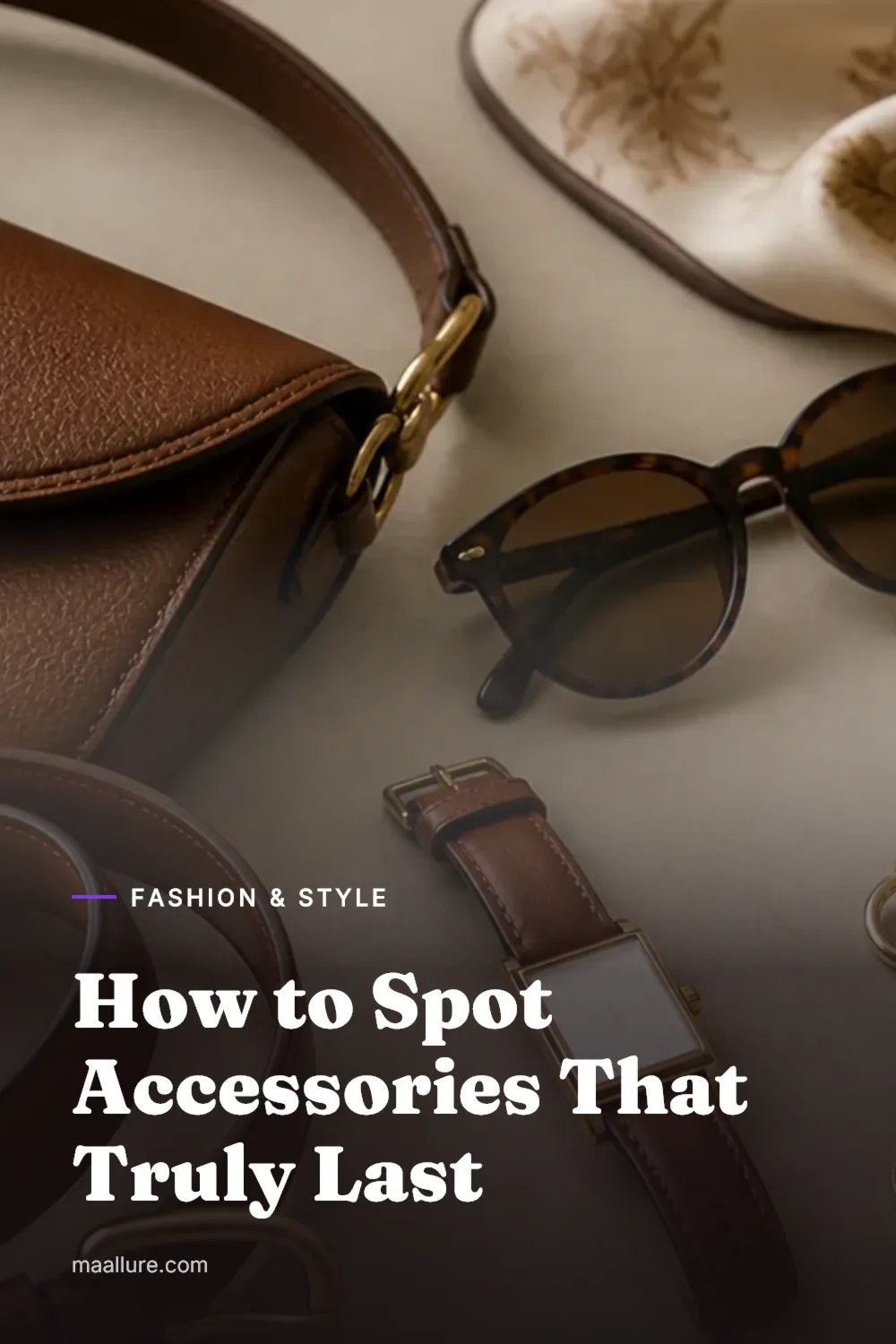
Bag and accessories
Keep accessories streamlined. A work event is not usually the place for an overload of statement pieces. Instead, choose one focal point: earrings, a bag, a shoe, or a bold lip colour.
A structured bag or elegant clutch looks more polished than a large everyday tote if you do not need to carry much. If you do need practicality, keep the bag neat and uncluttered. Minimal jewelry often works best, especially if the rest of your outfit already has texture or shine.
One useful styling rule: if the outfit already has movement, shine, or a strong colour, keep the accessories quiet. If the outfit is simple, you can let one accessory do more of the work.
Common work event outfit mistakes to avoid
- Dressing like it is a night out. If the hemline is very short, the neckline is very low, or the fabric feels club-ready, it may be too much for a professional setting.
- Going too casual because the event is after work. After-hours does not automatically mean weekend clothes.
- Wearing new shoes for the first time. Even beautiful shoes can become the focus of the evening for the wrong reasons.
- Over-accessorizing. Too many statement pieces can make an outfit feel busy rather than polished.
- Ignoring layers. A blazer, cardigan, or coat can completely change how an outfit feels, especially in unpredictable venues.
- Choosing items that wrinkle or need constant adjustment. If you are tugging, smoothing, or rearranging all evening, the outfit is not working.
Outfit examples by style personality
Minimal and modern
Try black trousers, a white or cream blouse, pointed flats, and small earrings. Add a sleek blazer if the event is more formal. This look is clean, sharp, and easy to repeat with different tops. A structured top handle bag or a slim clutch can finish it without adding clutter.
Soft and feminine
A midi dress in a solid colour, a tailored blazer, low heels, and delicate jewelry creates a polished but gentle feel. This is a good option if you want to look dressy without feeling too structured. Choose a dress with a defined waist or subtle drape so the silhouette feels intentional.
Smart and practical
Choose straight-leg trousers, a fine-knit top, loafers, and a crossbody or structured tote. This outfit is ideal if you need to move quickly, carry things, and stay comfortable for a long event. It works especially well when you want to look professional without feeling overly styled.
Fashion-forward but workplace-safe
Wide-leg trousers, a tonal top, a statement belt, and sculptural earrings can look modern without becoming distracting. Keep the colour palette cohesive so the outfit feels considered rather than overly styled. A sharp blazer or pointed shoe can keep the look grounded.
Quick checklist before you leave
- Does the outfit match the venue, time, and tone of the event?
- Can you sit, stand, walk, and eat comfortably in it?
- Is there one polished element that lifts the whole look?
- Does anything feel too casual, too revealing, or too party-like?
- Do you have a layer, comfortable shoes, and a bag that works for the evening?
If you can answer yes to the first three and no to the last two, you are probably in good shape.
FAQ
Can I wear jeans to a work event?
Sometimes, yes. Dark, clean jeans can work for more casual company socials, creative workplaces, or relaxed after-work drinks. They are less suitable for client dinners, formal conferences, or events with a more polished dress code. If you do wear jeans, keep the rest of the outfit smart: a blazer, elevated top, and polished shoes help a lot.
Is a black dress always appropriate for work events?
A black dress is often a safe choice, but not every black dress works for every work event. The shape, fabric, and accessories matter. A simple midi or knee-length black dress can be excellent for dinners and office parties. A very bodycon, low-cut, or party-focused version may be too much for a professional setting.
How do I dress for a work event if I’m not sure how formal it is?
Choose something in the middle: tailored trousers and a polished top, or a midi dress with a blazer. Avoid extremes at either end, such as overly casual denim or full eveningwear. If you are still unsure, check the venue, time, and the dress habits of your workplace. When in doubt, slightly more polished is usually safer.
What shoes are best for a long work event?
The best shoes are the ones you can wear comfortably for several hours without thinking about them. Low block heels, loafers, sleek flats, and polished ankle boots are all strong options. If you want a heel, keep it low or medium and make sure you have already worn them before the event.
How can I make a simple outfit look more polished without buying something new?
Focus on fit, grooming, and accessories. Tuck in your top neatly, add a blazer or structured layer, choose the cleanest shoes you own, and switch to a more polished bag if you have one. Small touches, like removing scuffed shoes or adding understated jewelry, can change the whole feel of an outfit.
Conclusion
The best answer to what to wear to a work event is not usually the most dramatic outfit in your wardrobe. It is the one that fits the occasion, lets you move comfortably, and makes you feel composed in the room. If you remember the basic formulas, keep one polished element, and pay attention to fit and fabric, you can get dressed with much less stress. That is the real goal: looking like yourself, just a little more refined.
Join the conversation
Sign in — Sign in to join the conversation.