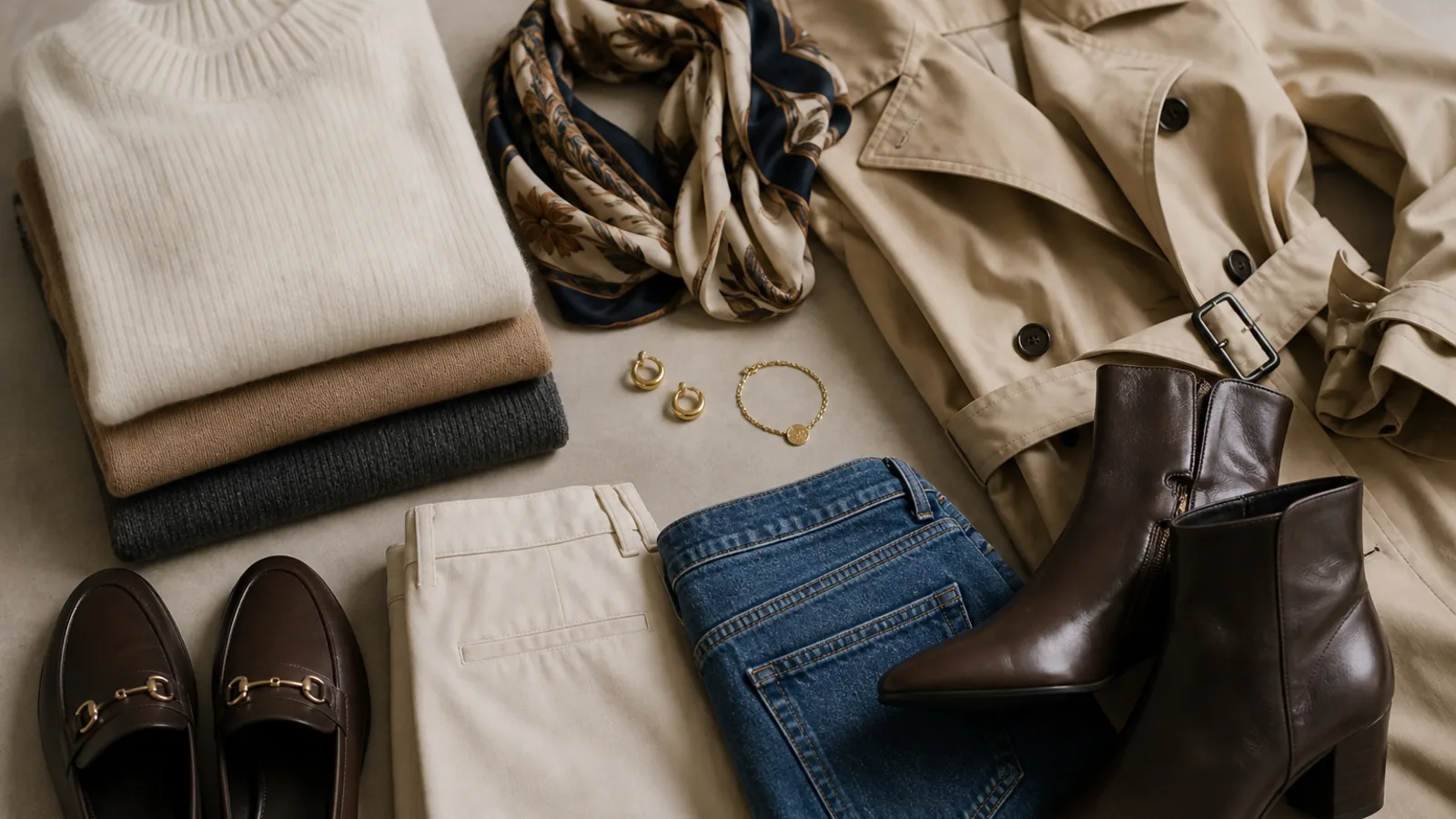
A capsule wardrobe should make getting dressed easier, not turn your closet into a strict uniform. The best version is built around your real life: your climate, your work dress code, your laundry habits, your body and your taste. This capsule wardrobe checklist is designed to be practical enough to print, save or use while shopping, with the pieces that usually earn their place, the so-called essentials you can often skip, and quick tests for fabric and fit before you buy.
Use it as a starting point, not a rulebook. A woman commuting to an office in London, working from home in Toronto, teaching in Melbourne or living through a snowy Montreal winter will not need the same closet. The goal is a wardrobe that works hard without feeling dull.
What Is a Capsule Wardrobe, Really?
A capsule wardrobe is a smaller, intentional collection of clothes that mix and match easily. It does not have to be beige, expensive, minimal or limited to a magic number of items.
For many people, a workable capsule sits somewhere around 30 to 50 main clothing pieces, not including underwear, sleepwear, gym kit or specialist gear. But the right number varies. If you live somewhere with four distinct seasons, commute daily or wash clothes less often, you may need more.
A strong capsule usually includes:
- Reliable everyday basics
- Seasonal layers
- Shoes that suit your real routine
- A few personality pieces
- Occasion items you genuinely use
The simplest test: a capsule piece should work with at least three things you already own and solve a real dressing problem.
Before You Start: 5 Rules That Make a Capsule Work
1. Build for your actual week
Look at how you really spend your time. How many days do you dress for an office, school run, errands, home working, social plans, travel or outdoor weather?
If you work from home four days a week, you may need polished knitwear, relaxed trousers and comfortable shoes more than a row of blazers. If your workplace is formal, tailored separates will do more for you than stacks of denim.
2. Choose a simple colour palette
Pick two or three base neutrals, one or two accent colours, and one print or texture family. Neutrals do not have to mean black, white and beige. Navy, charcoal, chocolate, cream, olive, camel, denim and soft grey can all work beautifully.
3. Use outfit formulas
Capsules work because pieces repeat well. Try building around formulas such as:
- T-shirt + straight jeans + blazer + loafers
- Fine knit + midi skirt + ankle boots
- Shirt + tailored trousers + trench coat
- Sweater + wide-leg jeans + wool coat
4. Buy for your climate
A trench is useful in mild, rainy weather, but less useful in deep snow or humid heat. A crisp white shirt may be brilliant in a cool office and uncomfortable on a hot, sticky commute. Fabric weight, breathability and layering matter as much as the item itself.
5. Leave room for personality
A capsule wardrobe should not erase your style. Add interest with jewellery, colour, print, texture, a favourite silhouette or a statement shoe. The point is to own fewer pieces you like more.
Capsule Wardrobe Checklist: The Year-Round Core
This is the foundation. Adjust quantities depending on your climate, job, laundry routine and how often you repeat outfits.
Tops
- 2–4 good T-shirts in your best neutrals, stripes or soft colours
- 1–2 long-sleeve tees or fitted layering tops
- 2–3 shirts or blouses, such as cotton, linen, chambray, silk-style or soft draped styles
- 1–2 elevated tops for dinner, events or work presentations
- Optional: 1 striped, printed or textured top
What earns its place: A good top is opaque enough, comfortable under jackets and easy to launder. Shirts should not gape at the bust, pull across the shoulders or need constant ironing unless you genuinely do not mind the upkeep.
What you can skip: Multiple perfect white shirts if you rarely wear structured shirts, bodysuits if you dislike the feel, and cut-out tops that only work with one bra or one occasion.
Knitwear and sweaters
- 1 lightweight knit
- 1 medium-weight crewneck or V-neck sweater
- 1 cardigan, fine or chunky depending on climate
- 1 warm sweater for colder months
- Optional: knitted vest if it suits your layering style
What earns its place: Knitwear should feel good on your skin, sit neatly under outerwear and recover after stretching. Think about neckline, length and sleeve bulk before buying.
What you can skip: Very oversized knits that do not fit under coats, delicate knits you will not care for, and trendy cardigans that only look good styled one precise way.
Bottoms
- 1–2 pairs of jeans in a cut you actually wear
- 1 pair tailored trousers
- 1 casual trouser, such as chinos, ponte trousers, utility trousers or soft wide-leg trousers
- 1 skirt that works with at least three tops
- Optional: shorts for summer or warm climates
What earns its place: Waistbands should feel comfortable when sitting, walking and eating. Hems should work with your most-worn shoes, or the item should be worth tailoring.
What you can skip: Jeans you keep trying to make work, leather-look trousers that feel sweaty or noisy, and pale trousers if they make you anxious about stains.
Dresses and one-piece outfits
- 1 easy day dress
- 1 work-appropriate dress, if needed
- 1 dinner or event dress
- Optional: jumpsuit or co-ord if it suits your lifestyle
What earns its place: A capsule dress should work with at least two types of shoes and one layer, such as a cardigan, blazer, trench or denim jacket. Check bra compatibility and sitting comfort.
What you can skip: Slip dresses if you always feel exposed, occasion dresses for imaginary events, and jumpsuits if the bathroom practicality bothers you.
Jackets and coats
- 1 blazer or polished jacket
- 1 casual jacket, such as denim, chore, utility, bomber or leather-style
- 1 trench, raincoat or weather-friendly layer
- 1 warm coat for cold climates
- Optional: lightweight puffer or quilted jacket
What earns its place: Outerwear must fit over your real layers. Try coats over your thickest sweater before deciding. Sleeves, shoulders, closure, pockets and length matter more than hanger appeal.
What you can skip: Blazers if they never feel like you, cropped jackets that only work with one trouser shape, and coats without pockets if that will annoy you daily.
Shoes and accessories
- 1 comfortable everyday trainer or sneaker
- 1 flat, loafer or smart-casual shoe
- 1 ankle boot or weather-appropriate boot
- 1 sandal or warm-weather shoe
- 1 dress shoe, such as a heel, slingback, ballet flat, mule or polished boot
- 1 everyday bag and 1 smaller going-out bag
- 1 work tote or laptop bag, if needed
- 1 belt, sunglasses, simple jewellery and weather accessories as needed
What earns its place: Shoes must pass the real-life test: walking, standing, stairs, rain, public transport, pavements, office floors and school runs. Bags should fit your real daily items without becoming a black hole.
What you can skip: Painful classic heels, shoes that only match one outfit, delicate suede if your climate is wet, tiny bags if you always carry more, and statement jewellery that catches on knitwear.
Colour Palette Ideas for a Capsule Wardrobe
A clear palette makes the checklist easier to shop from and helps you spot gaps. Try one of these, or use them as a starting point.
- The Warm Minimalist: camel, cream, chocolate, navy and olive.
- The High-Contrast City Capsule: black, off-white, charcoal, denim and forest green.
- The Soft Neutral Capsule: taupe, ivory, soft grey, pale denim and dusty rose.
- The Coastal Casual Capsule: denim, crisp white, stone, French blue and terracotta.
If you love colour, keep your base pieces simple and use accent colours for knits, scarves, shoes, bags or one standout coat.
Spring Capsule Wardrobe Checklist
Spring is about flexible layers: chilly mornings, warmer afternoons, rain and unpredictable temperatures.
- Lightweight trench, raincoat or utility jacket
- Cotton shirts or soft blouses
- Fine knit cardigan
- Long-sleeve tees
- Straight jeans or tailored trousers
- Midi skirt or easy dress
- Loafers, trainers or ankle boots
- Light scarf
Best fabrics: Cotton, lightweight denim, fine merino, lyocell, linen blends and water-resistant outerwear.
Outfit ideas: striped tee + trench + straight jeans + loafers; white shirt + tailored trousers + trainers; fine cardigan + midi skirt + ankle boots.
Skip: very sheer blouses that need special underlayers, pastel pieces that do not work with your palette, and jackets that are neither warm enough nor rain-friendly.
Summer Capsule Wardrobe Checklist
Summer capsules need breathability, washability and airflow. If you live somewhere humid or walk a lot, comfort matters more than a perfectly polished outfit.
- 2–4 breathable tees or tanks
- Linen or cotton shirt
- Lightweight trousers
- Shorts, if you wear them
- Easy dress
- Skirt or skort
- Sandals
- Trainers or canvas shoes
- Sun hat or sunglasses
- Light layer for air conditioning or cool evenings
Best fabrics: Linen, cotton, cotton poplin, chambray, seersucker, viscose or rayon, and lyocell. Linen breathes well but wrinkles. Viscose drapes nicely but can shrink or crease depending on care. Some synthetics are durable and crease-resistant, but tightly woven polyester can feel warm or hold odour in humid weather; lightweight performance fabrics behave differently, so always judge the actual garment.
Outfit ideas: linen shirt + wide-leg trousers + sandals; tank + midi skirt + flat sandals; cotton dress + trainers + light cardigan.
Skip: white trousers that are sheer or stressful to wear, strapless tops if you dislike strapless bras, and vacation clothes that never work at home.
Autumn Capsule Wardrobe Checklist
Autumn is where layers become more substantial but should still avoid bulk. It is a good season for texture: denim, corduroy, wool blends, ponte, suede-style finishes and leather-look accents.
- Medium-weight sweater
- Long-sleeve tees
- Blazer or structured jacket
- Trench, quilted jacket or wool-blend coat
- Jeans
- Tailored trousers
- Midi skirt or dress with tights
- Ankle boots
- Loafers
- Scarf
Outfit ideas: sweater + tailored trousers + loafers; blazer + tee + jeans + ankle boots; midi dress + tights + boots + trench.
Skip: heavy coats bought too early if your autumn is mild, thin fashion scarves that add no warmth or style, and trend boots in difficult colours or heel heights.
Winter Capsule Wardrobe Checklist
Winter capsules vary dramatically. A mild coastal winter is not the same as a Canadian prairie winter or a cold, damp British commute.
- Warm coat that closes comfortably over layers
- Waterproof or insulated coat, depending on climate
- Thermal or base layers for cold regions
- Wool, merino, cashmere-style or warm synthetic sweaters
- Cardigan or fleece layer
- Warm trousers or lined jeans
- Boots with grip
- Warm socks
- Hat, scarf and gloves
- Tights or leggings for layering
Best fabrics: Wool, merino, alpaca, cashmere, fleece, down or synthetic insulation, thick cotton and lined fabrics. Warmth depends on weave, lining, wind resistance and layering, not just the fibre name. Machine-washable merino exists, but untreated wool and cashmere can shrink with heat or agitation, so check whether the label says hand wash cold, dry flat or dry clean only before buying.
Outfit ideas: thermal layer + sweater + wool coat + jeans + boots; turtleneck + tailored trousers + long coat + boots; knit dress + tights + knee-high boots + warm coat.
Skip: coats that do not close, thin fashion boots with slippery soles in icy weather, and dry-clean-only pieces if you cannot realistically maintain them.
Capsule Wardrobes for Office, Casual and Cold Climates
Office capsule
- 2 blazers or structured jackets
- 3–5 office-friendly tops
- 2 pairs tailored trousers
- 1 skirt or dress
- 1 smart cardigan or fine knit
- 1 trench or polished coat
- Loafers, flats, low heels or polished boots
- Work tote or laptop bag
Outfit formulas: blazer + fine knit + tailored trousers + loafers; blouse + midi skirt + boots; dress + cardigan + trench; silk-style top + wide-leg trousers + low heel.
Choose office pieces that mix with off-duty clothes so your work wardrobe does not become isolated. Many workplaces no longer require full suits, so separates are often more useful. Skip pencil skirts, high heels or crisp shirts if they do not suit your commute, comfort or dress code.
Casual capsule
- 3–5 quality tees or casual tops
- 2 pairs jeans or casual trousers
- 1 relaxed dress or skirt
- 1 cardigan or sweatshirt
- 1 casual jacket
- Trainers
- Flat sandals or boots
- Practical everyday bag
Outfit formulas: tee + straight jeans + chore jacket + trainers; sweatshirt + wide-leg trousers + clean sneakers; casual dress + denim jacket + sandals; striped top + utility trousers + ankle boots.
Casual does not mean careless. Fit, fabric, clean shoes and good proportions do most of the work. Upgrade the items you wear weekly before buying the pieces someone else calls essential.
Cold-climate capsule
- Proper warm coat
- Waterproof or snow-friendly boots
- Base layers
- Warm socks
- Knitwear that fits under coats
- Hat, scarf and gloves
- Weather-resistant everyday bag
Outfit formulas: base layer + fine knit + tailored trousers + waterproof boots + wool coat; thermal top + sweater + lined jeans + puffer + lug-sole boots; turtleneck + knit skirt + fleece-lined tights + long coat + scarf.
For Canada, the northern US, cooler European regions and damp UK winters, practicality is style. You may need duplicates because wet clothes and boots need drying time. Prioritise grip, warmth, water resistance and comfort before trend value.
How to Judge Fabric and Construction Before You Buy
Fabric determines whether a piece becomes a favourite or sits unworn. Before buying, ask:
- Is it breathable enough for when I will wear it?
- Is it opaque in natural light?
- Does it crease in a way I can live with?
- Does it stretch out and recover?
- Will it pill quickly in high-friction areas?
- Can I wash or care for it realistically?
- Does it feel good on my skin?
Try a quick scrunch test by squeezing the fabric for a few seconds to see how it creases. Hold it up to bright light to check opacity. Gently stretch knit fabrics and see whether they bounce back. Always read the care label and be honest about whether you will follow it.
Then check construction. Look for neat seams, secure buttons, smooth zips and hems that hang evenly. A lining can help jackets and coats slide over knitwear, while unlined sleeves may catch on sweaters. Loose threads, wavy seams, flimsy zips and fabric that twists at the side seams are warning signs, even if the style looks good.
How to Judge Fit Before You Buy
A piece can look beautiful on a hanger and still fail in real life. Use the fitting room properly:
- Sit down.
- Raise your arms.
- Walk around.
- Check whether buttons gape.
- Notice whether the waistband digs in or slides.
- Check the back and side view, not just the front.
- Try it with your usual bra, shoes or coat if possible.
- Ask whether tailoring is needed and worth the extra effort.
Be wary if you keep adjusting it, it only looks good in one pose, it requires buying another item to make it wearable, or it is uncomfortable after five minutes. A sale price does not make a poor fit useful.
The Essentials You May Not Actually Need
Some classic wardrobe staples are genuinely useful. Others are only useful for certain lifestyles. You are allowed to skip them.
- The classic white shirt: Great for some office wardrobes, but not essential if you prefer soft blouses, knit tops, linen shirts or stripes.
- The black blazer: Useful for polished outfits, but navy, brown, charcoal or a cardigan jacket may suit you better.
- The trench coat: Excellent in mild rain, less useful in freezing winters or hot climates.
- The little black dress: Handy if black suits you and your social life calls for it. Navy, chocolate, print or elegant separates can work just as well.
- Ballet flats, loafers or heels: No shoe is essential if it hurts or fails your commute.
- White jeans: Fresh and versatile for some, stressful and stain-prone for others. Ecru denim or stone chinos may be easier.
Printable Capsule Wardrobe Checklist
Copy this section into your notes app or print it before a closet audit. Add or subtract based on climate, lifestyle and laundry frequency.
My palette: Base neutrals: ____ / ____ / ____ Accent colours: ____ / ____ Print or texture: ____ My lifestyle: Office days: ____ Casual days: ____ Dressy events: ____ Weather needs: ____
Year-round core
- [ ] 3–4 everyday tops
- [ ] 1–2 long-sleeve layering tops
- [ ] 2–3 shirts or blouses
- [ ] 1–2 elevated tops
- [ ] 2–3 knits, including one cardigan
- [ ] 1–2 pairs jeans
- [ ] 1–2 tailored or smart trousers
- [ ] 1 casual trouser
- [ ] 1 skirt, if worn
- [ ] 1 day dress
- [ ] 1 work or event dress, if needed
- [ ] 1 blazer or polished jacket
- [ ] 1 casual jacket
- [ ] 1 rain layer or trench
- [ ] 1 warm coat, if needed
- [ ] 1 pair trainers
- [ ] 1 pair loafers, flats or smart shoes
- [ ] 1 pair boots
- [ ] 1 pair sandals, if needed
- [ ] 1 everyday bag
- [ ] 1 work bag, if needed
- [ ] Belt, scarf, sunglasses and jewellery you actually wear
Seasonal add-ons
- [ ] Spring: rain layer, fine knit, light scarf, loafers or ankle boots
- [ ] Summer: breathable tops, linen or cotton shirt, shorts or skirt, sandals, sun hat, light layer
- [ ] Autumn: midweight knit, blazer or jacket, boots, scarf, tights if worn
- [ ] Winter: warm coat, base layers, insulated or waterproof boots, warm socks, hat, scarf, gloves, heavy knitwear
How to Build a Capsule Without Buying Everything New
- Do a closet audit. Pull out what you wore last season. Sort into keep, tailor or repair, store, donate or sell, and unsure.
- Notice your outfit formulas. Which combinations do you repeat? Which pieces always save you?
- Make a gap list. Only add pieces that unlock at least three outfits with items you already own.
- Shop slowly. Start with the gaps that affect your daily life: shoes, trousers, outerwear and reliable tops.
- Consider alterations and second-hand. A hem, button change or better styling can sometimes solve the problem without a new purchase.
Common Capsule Wardrobe Mistakes
- Buying someone else’s uniform: Your capsule should fit your job, climate, body, care habits and taste.
- Choosing only neutrals: Neutrals help with mixing, but colour can absolutely belong in a capsule.
- Ignoring laundry: If you wash once a week, you need enough tops and base layers to get through the week comfortably.
- Keeping too many almost-right pieces: If it pinches, gapes, itches or needs constant styling help, it is not doing its job.
- Forgetting occasion wear: A small number of dressier pieces can prevent panic-buying before events.
FAQ
How many pieces should be in a capsule wardrobe?
There is no fixed number. Many people do well with roughly 30 to 50 main clothing items, but the right amount depends on your climate, work dress code, laundry routine, storage and how often you like to repeat outfits.
How do I start a capsule wardrobe checklist from scratch?
Start by listing your real weekly activities, choosing a simple colour palette and identifying the clothes you already wear most. Then fill only the gaps that affect everyday outfits: comfortable shoes, well-fitting bottoms, reliable tops and outerwear that suits your weather.
Can a capsule wardrobe include trends?
Yes. Trends work best as accents: a colour, bag, shoe shape, print, texture or updated silhouette. Before buying, check that the piece works with several things you already own.
Do I need a separate capsule wardrobe for each season?
Not necessarily. Most people have a year-round core with seasonal add-ons. In colder climates, winter may need a more distinct set of coats, boots, base layers and warm accessories.
How do I make a capsule wardrobe less boring?
Add personality through colour, jewellery, texture, print, shape and styling. A capsule should make your wardrobe easier to use, not flatten your personal style.
Conclusion: Make the Capsule Wardrobe Checklist Work for You
The best capsule wardrobe checklist is not a list of rules to follow perfectly. It is a filter. Keep the pieces that support your actual life, skip the essentials that do not suit you, and judge every new item by fabric, construction, fit, comfort, care and outfit potential. When your clothes work together and feel like you, getting dressed becomes simpler without becoming boring.

Join the conversation
Sign in — Sign in to join the conversation.