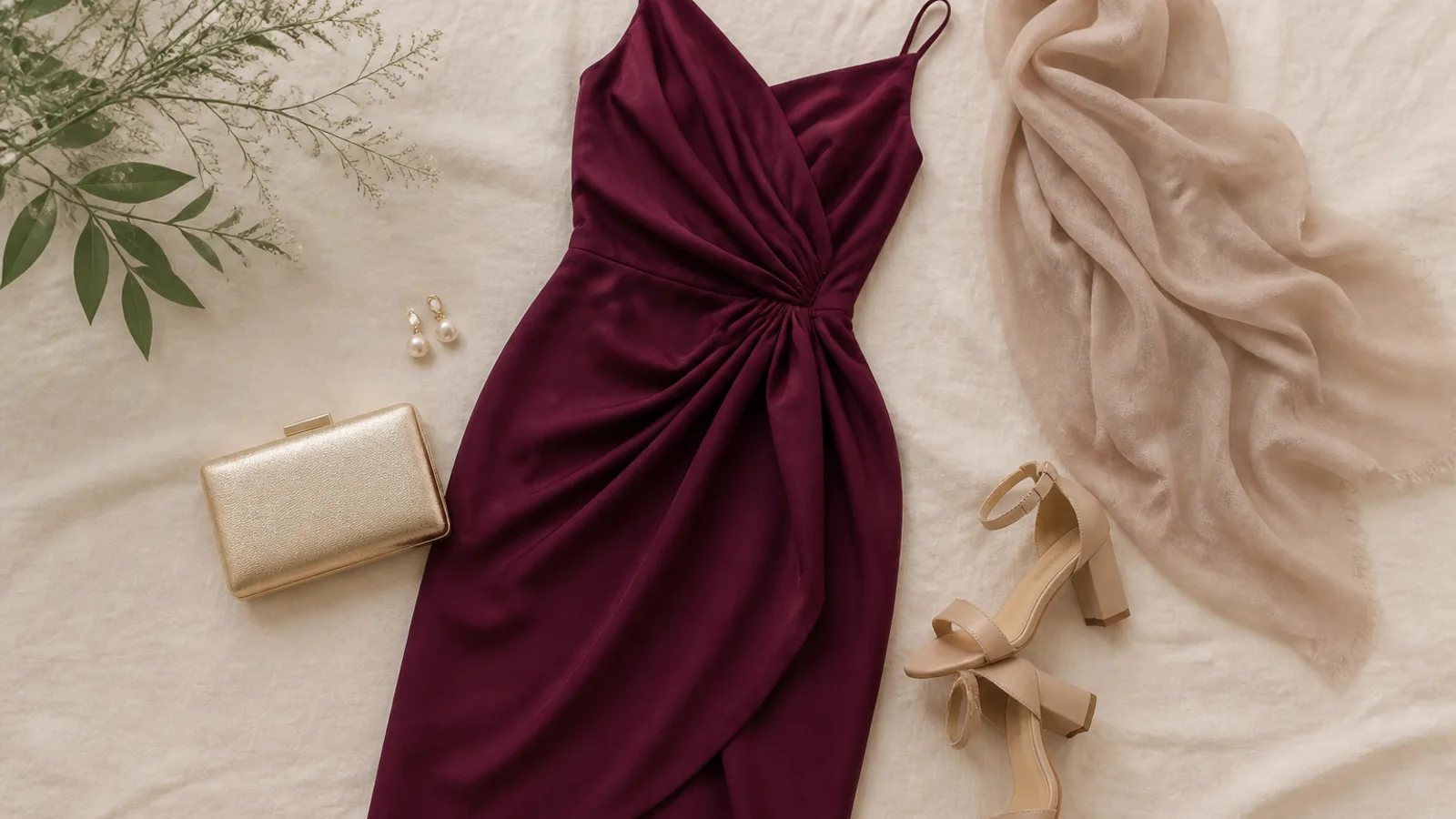
Wedding invitations have a talent for sounding elegant and slightly mysterious. “Cocktail,” “garden party,” “formal,” “beach chic” and “smart casual” all suggest a mood, but they do not always tell you what to put on. If you are wondering what to wear to a wedding as a guest, the goal is simple: look celebratory, respect the couple and the setting, and feel comfortable enough to sit, stand, mingle and dance.
This guide translates the most common wedding dress codes into real outfit ideas, with seasonal and venue adjustments, country-by-country etiquette notes and practical ways to rewear or rent instead of buying something for one afternoon.
Quick wedding guest outfit cheat sheet
- Black tie: Floor-length gown, formal evening midi or polished tuxedo-style suit. Choose satin, velvet, crepe or chiffon, with refined jewellery and a small evening bag.
- Cocktail: Midi dress, elevated mini, dressy jumpsuit or tailored separates. Think jewel tones, satin, crepe, silk-look fabrics and a clutch.
- Garden or outdoor: Printed midi, airy jumpsuit or soft tailoring. Wear block heels, wedges or dressy flats so you do not sink into grass.
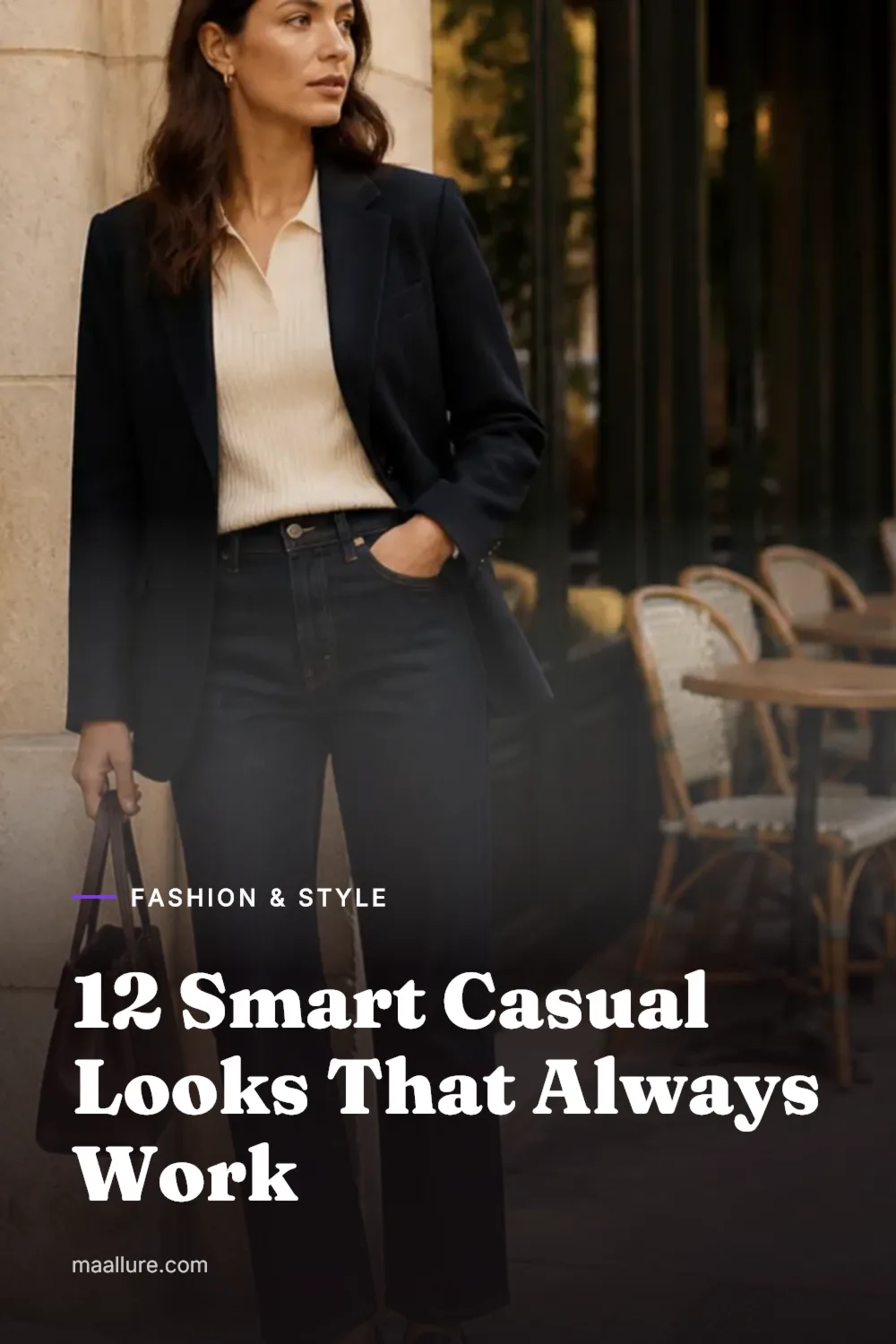
- Smart casual: Chic day dress, tailored trousers, co-ord or jumpsuit. Avoid denim and trainers unless the couple clearly says they are welcome.
What to wear to a wedding as a guest: start with these three clues
Before you choose an outfit, look at three things: the dress code, the venue and the time of day.
- The dress code tells you the level of formality: black tie, cocktail, semi-formal, garden party or casual.
- The venue tells you how practical your outfit needs to be. A hotel ballroom, church, vineyard, beach and city hall all ask for different shoes, layers and silhouettes.
- The time and season affect colour, fabric and coverage. Daytime weddings often feel lighter; evening weddings usually call for dressier fabrics and accessories.
A November cocktail wedding at a city hotel might call for a satin midi dress, tailored suit or sleek jumpsuit with a proper coat. A June garden wedding might suit a floral midi, block heels and a light wrap. The ideal guest outfit does two things effortlessly: it shows respect for the couple’s hospitality, and it lets you forget what you are wearing once the music starts.
What not to wear to a wedding
White, ivory and anything that looks bridal
Unless the couple specifically asks guests to wear white, avoid white, ivory, cream, pale champagne lace and dresses that might photograph white. This includes white floral dresses where the background is mostly white. If you are unsure, choose another shade.
Safer alternatives include navy, sage, blush, soft blue, rust, chocolate, burgundy, emerald, cobalt or a print with a clearly coloured base.
Anything that competes with the couple
A wedding is not the moment for a dramatic train, veil-style headpiece, full white gown or anything that reads “alternative bride.” Sequins, sparkle and statement jewellery can be beautiful for evening weddings, but match the intensity to the event. Head-to-toe glitter may feel perfect for black tie and too much for a relaxed afternoon ceremony.
An outfit that looks like the bridal party
If the invitation suite or wedding website shows a very clear colour palette, use it as a clue. A floor-length solid sage dress at a wedding decorated entirely in sage and rose gold may make you look like an extra bridesmaid. You do not need to avoid every wedding colour, but be cautious with solid dresses in a shade that appears to be central to the bridal party.
Too casual, too corporate or too club-ready
Jeans, trainers, flip-flops and casual sundresses are usually too relaxed unless the couple has clearly set that tone. On the other hand, a plain office dress or work suit can feel flat unless you add festive shoes, jewellery, a clutch or a softer blouse. Very sheer fabrics, plunging necklines and ultra-short hems can also feel out of place, especially for religious ceremonies or family-heavy weddings.
Black, red and cultural considerations
Black is widely accepted at modern weddings, especially for evening, city, cocktail and formal celebrations. For a daytime garden or beach wedding, soften it with lighter accessories, a print or a less severe silhouette if that feels more appropriate.
Red can be beautiful, but it may carry special meaning. In many traditional Chinese, Hindu and Sikh weddings, red is often associated with the bride, much like white at many Western ceremonies. Expectations vary by family and event, so if the wedding has specific cultural traditions and you are unsure, check the wedding website or ask someone close to the couple. Jewel tones, gold, peach, emerald, navy and pastels are often safer alternatives.
Wedding dress codes decoded
White tie
White tie is the most formal dress code and is rare. Think full-length evening gown, refined jewellery and very polished styling. Traditional masculine dress is a tailcoat with a white waistcoat and bow tie. For a deeper look at classic formal dress codes, the Emily Post Institute offers a useful overview.
Outfit ideas: a floor-length crepe gown in navy or emerald; a full-length black gown with sculptural earrings; an elegant evening wrap and small clutch. Avoid cocktail dresses, casual fabrics and large day bags.
Black tie
Black tie usually means formal eveningwear. A floor-length gown is the safest choice, though a very elevated midi dress or formal jumpsuit may work depending on the venue and local expectations. Traditional masculine dress is a tuxedo or dinner jacket.
Outfit ideas: a column gown with metallic sandals; a velvet gown for winter; a sleek black jumpsuit with satin details, heels and evening jewellery. In summer, choose lighter silk, chiffon or crepe. In winter, velvet, satin and heavier crepe feel right.
Black tie optional or formal
This is dressy, but slightly more flexible than black tie. The hosts may be dressing in black tie, but guests who do not own a tuxedo or floor-length gown can still look appropriate in a dark suit with tie, a formal midi in evening fabric, an elegant jumpsuit or a polished cocktail dress.
- Black tie: an evening-length gown, tuxedo or very formal equivalent is the safest interpretation.
- Black tie optional: you have more flexibility, but your fabric and styling should still feel evening-ready.
Outfit ideas: a satin midi dress with strappy heels; a dark tailored suit with a silk camisole; a long-sleeve maxi dress with statement earrings; a tuxedo-inspired suit with pointed heels or polished flats.
Cocktail attire
Cocktail is one of the most common wedding dress codes. It means festive and polished, not nightclub. Midi, knee-length and elevated mini dresses can work, as can dressy separates and jumpsuits.
Outfit ideas: a jewel-tone midi with block heels; a slip dress with a blazer; wide-leg trousers with a silk blouse; a printed midi with a structured clutch. For masculine dressing, a suit and tie or polished suit without a tie may be appropriate depending on the venue.
Semi-formal or dressy casual
Semi-formal sits between cocktail and smart casual. You want to look considered without feeling overly grand. Daytime versions can be softer and lighter; evening versions can be deeper in colour and sleeker in fabric.
Outfit ideas: a floral midi with low heels; a wrap dress with slingbacks; wide-leg trousers with a satin blouse and blazer; a tea dress with refined flats.
Smart casual
Smart casual often appears for registry office weddings, civil ceremonies, intimate lunches or relaxed receptions. The risk is underdressing, so aim for elevated daywear rather than weekend casual.
Outfit ideas: a linen-blend midi with leather sandals in summer; tailored trousers with a fine knit top and blazer; a printed tea dress with block heels; a jumpsuit with a small shoulder bag. Avoid denim and trainers unless the couple has clearly encouraged them.
Garden party
Garden party dressing is romantic, but it has to work on grass. Block heels, wedges, dressy flats and low sandals are usually better than stilettos.
Outfit ideas: a floral midi with a cropped jacket; a pastel trouser suit with a silk camisole; a printed wrap dress with espadrille wedges. In the UK, Australia and some traditional daytime weddings, a hat, fascinator or dressy headband may feel appropriate, but choose something that will not block anyone’s view.
Beach formal or beach chic
Beach weddings call for a balance of elegance and practicality. Wind, sand, sun and temperature drops after sunset all matter.
Outfit ideas: a breezy maxi dress with flat metallic sandals; a bright midi with a raffia clutch; linen or silk-blend separates with delicate jewellery. Avoid stilettos in sand, very sheer fabrics in bright sunlight and skirts that will become difficult in the wind. Bring a light layer for evening.
Civil ceremony, registry office or courthouse wedding
Civil ceremonies are often simpler, but they are still special. Dress for the ceremony and whatever follows, whether that is lunch, drinks or a restaurant reception.
Outfit ideas: a satin midi with a blazer; a coloured trouser suit; a printed dress with slingbacks; a tailored jumpsuit with a structured coat. Cream tailoring can look chic, but avoid anything too bridal or close to white.
Rustic, barn or vineyard wedding
Rustic does not mean costume. Aim for polished pieces that can handle gravel, grass, dust or uneven ground.
Outfit ideas: a rust or olive midi dress with suede block heels; a printed maxi with a cropped jacket; a tailored jumpsuit with low heels; heeled ankle boots with a dress in cooler weather.
No dress code listed
Use clues from the venue, invitation design, time of day and wedding website. Cocktail or semi-formal is usually a safe middle ground. If you are still unsure, ask politely.
“I’m so excited for the wedding and want to make sure I’m dressed appropriately. Would you say the vibe is more cocktail or relaxed garden party?”
What to wear by season
Spring weddings
Spring weather can change quickly, so layers matter. Good colours include sage, lilac, soft blue, rose, butter yellow, navy and fresh prints. Fabrics such as crepe, chiffon, satin and lightweight suiting work well.
Try a floral midi with a cropped blazer, a pastel suit with pointed flats, or a long-sleeve wrap dress with slingbacks. Bring a coat, wrap or jacket that looks intentional, not like an emergency layer.
Summer weddings
For summer, prioritise breathable fabrics and shoes you can wear for hours. Linen blends, cotton voile, silk blends and chiffon can work well, though some linen creases easily. Bright shades, tropical prints, coral, turquoise, green, pink and terracotta all feel seasonal.
Try a bright midi with block sandals, a lightweight maxi for a beach or garden wedding, or a sleeveless jumpsuit with statement earrings. Check that your outfit is not transparent in sunlight.
Autumn weddings
Autumn is ideal for richer colours and layered textures: burgundy, forest green, chocolate, bronze, navy, plum and rust. Satin, crepe, jacquard, velvet accents and lightweight wool suiting all feel appropriate.
Try a rust satin midi with gold jewellery, an emerald wrap dress with heeled boots, or a plum suit with a silk blouse. Closed-toe shoes or dress boots can be both elegant and practical.
Winter weddings
Winter wedding dressing is about warmth without bulk. Velvet, satin, heavy crepe, brocade and wool tailoring work beautifully. Colours such as black, navy, emerald, wine, silver and midnight blue feel polished.
Try a velvet midi with sheer tights, a long-sleeve gown with a dress coat, or a tailored suit with metallic accessories. Your outerwear will be seen, so choose a wool coat, wrap or dressy jacket where possible.
Outfit ideas for different comfort levels
If you prefer dresses
A midi dress is the most versatile wedding guest option because it can lean formal or relaxed depending on fabric and accessories. Wrap, A-line, column, slip and shirt-dress silhouettes can all work.
- Cocktail: satin midi, heeled sandals and a clutch.
- Garden: floral tea dress, block heels and a light wrap.
- Formal: full-length gown or elegant maxi.
- Civil ceremony: structured day dress with slingbacks.
If you prefer trousers or suits
Trousers can be completely wedding-appropriate when the fabric, fit and styling feel intentional. Choose tailored shapes, elevated tops and polished accessories.
Try wide-leg trousers with a silk blouse, a matching trouser suit in a strong colour, a tuxedo-inspired suit for black tie optional, or a sleek jumpsuit with heels and evening jewellery.
If you want sleeves or more coverage
Coverage can look modern and elegant. Consider a long-sleeve satin midi, a sheer-sleeve dress, a tailored blazer over a slip dress, a high-neck midi with statement earrings, or a wrap for a church ceremony.
This is also practical for cooler climates, air-conditioned venues and weddings where you will move between ceremony, photos and reception.
If you hate heels
You do not need painful heels to look dressed up. Pointed flats, ballet flats, slingbacks, dressy loafers, kitten heels, wedges and embellished sandals can all work.
- Grass: block heels, wedges or flats.
- Beach: flat sandals.
- City or formal venue: pointed flats, kitten heels or polished low heels.
Break shoes in before the wedding and consider discreet blister plasters or a second pair for dancing.
How to make an outfit you already own feel wedding-ready
You often do not need a new outfit. A simple dress or suit can feel special with the right finishing touches.
- Add statement earrings, a clutch, polished shoes or a dressy belt.
- Swap a work blazer for a softer cropped jacket, wrap or evening coat.
- Change the mood with hair: a low bun, soft waves or a sleek ponytail.
- Use metallic, pearl, satin or velvet accessories to make basics feel more celebratory.
For example, a simple navy dress can become cocktail-ready with metallic sandals, pearl earrings, a structured clutch and a soft wrap. Rewearing is normal, sensible and increasingly appreciated. You can make the same piece feel different with new shoes, different jewellery, a belt, a scarf or a change in hairstyle.
Renting, borrowing and buying smarter
Renting can be useful for black tie, maternity dressing, one-off destination weddings or trend-led pieces you may not wear again. The trade-off is that timing matters: check delivery dates, return rules, backup options and condition carefully.
Borrowing can work beautifully for accessories, bags, wraps and coats. If you do buy, choose a colour and silhouette you genuinely like beyond this wedding. Avoid overly specific novelty prints, and consider simple alterations if a hem or strap adjustment would make the piece much more wearable.
Accessories, coats and finishing touches
Bags
Choose a small shoulder bag, clutch or mini top-handle that fits your essentials. A large work tote can make even a lovely outfit feel less festive, though practical needs always matter.
Jewellery
Match jewellery to the formality. Black tie can take refined sparkle, pearls or sculptural metallics. Garden weddings suit softer colour and natural textures. Beach weddings usually look best with light, unfussy pieces. Avoid very noisy stacks during a quiet ceremony.
Hats and fascinators
Hats and fascinators are more common at UK, Australian and some traditional daytime weddings than at many North American weddings. If you wear one, choose a size you can manage through the ceremony and reception without blocking views or feeling awkward indoors.
Outerwear
A casual rain jacket or bulky puffer may be necessary in bad weather, but if you have the option, choose outerwear that suits the outfit: a wool coat, blazer, cropped jacket, shawl, wrap or dressy cardigan.
Country and venue etiquette notes
United States and Canada
Dress codes vary widely by region, venue and couple. Cocktail and semi-formal are common, and black is generally accepted, especially for evening weddings. Outdoor weddings may feel relaxed, but guests are still usually expected to look polished.
United Kingdom
Traditional daytime weddings, church ceremonies and country house venues may lean dressier. Hats or fascinators can be common, though not required unless the invitation suggests it. Bring a layer for unpredictable weather and consider extra modesty for church settings.
Australia
Beach, garden and outdoor weddings are common, but “relaxed” still usually means considered. Think about sun, heat, wind and grass-friendly shoes. Hats may be appropriate for some daytime formal weddings, but follow the couple’s tone.
Religious ceremonies
For churches, temples, mosques or other religious settings, consider covered shoulders, modest necklines and a hemline that feels respectful. A blazer, shawl or cardigan can provide coverage for the ceremony and come off later at the reception.
A five-minute decision guide
- Read the invitation and wedding website carefully.
- Identify the formality: casual, semi-formal, cocktail, formal or black tie.
- Check the venue and terrain.
- Check the season and likely weather.
- Remove anything white, bridal, too bridesmaid-like, too casual or uncomfortable.
- Try the full outfit sitting, standing, walking and dancing.
- Pack practical extras: plasters, compact umbrella, wrap, safety pin, stain wipe and lipstick.
Wedding guest outfit formulas that rarely fail
- City cocktail wedding: jewel-tone slip midi in emerald, plum or cobalt, sharp blazer, strappy block-heel sandals and a metallic frame clutch.
- Formal evening wedding: floor-length crepe gown or tuxedo suit, refined earrings, small satin bag and a polished dress coat.
- Garden wedding: floral or botanical midi, low block heels, delicate jewellery and a light wrap or cropped jacket.
- Beach wedding: breezy printed maxi, flat metallic sandals, small shoulder bag and hair styled to survive wind.
- Winter wedding: velvet or satin midi in wine, navy or emerald, sheer tights, closed-toe heels or boots and a tailored wool coat.
- Civil ceremony: coloured trouser suit or structured midi, slingbacks, sculptural earrings and a compact top-handle bag.
- Barn or vineyard wedding: rust, olive or chocolate midi, suede low block heels or ankle boots, and a cropped jacket for texture.
FAQ
Can I wear black to a wedding?
Usually, yes. Black is widely accepted at modern weddings, especially evening, city, cocktail and formal events. For a daytime garden or beach wedding, you can soften black with lighter accessories, a print or a less severe silhouette.
Can I wear white if it has a print?
Be cautious. If the dress reads mostly white or could look bridal in photos, choose something else. A colourful print on a darker or clearly coloured base is safer.
Are trousers or jumpsuits appropriate for wedding guests?
Yes. A tailored suit, wide-leg trousers with an elevated top, or a polished jumpsuit can be completely appropriate. The key is dressy fabric, good fit and accessories that match the formality.
What shoes should I wear to an outdoor wedding?
Avoid thin stilettos on grass, gravel or sand. Block heels, wedges, dressy flats, embellished sandals and low heels are usually more practical while still looking polished.
What should I wear if there is no dress code?
Use the venue, time of day and invitation style as clues. Cocktail or semi-formal is usually a safe middle ground. If you are still unsure, politely ask the couple or someone in the wedding party.
Conclusion
Deciding what to wear to a wedding as a guest becomes much easier when you translate the invitation into three practical questions: how formal is it, where is it happening and what will you feel good wearing for several hours? Avoid white and anything bridal, respect religious or cultural settings, choose shoes that suit the ground beneath you, and let the season guide fabric and colour. The right outfit is not the most expensive one; it is the one that feels celebratory, thoughtful and comfortable enough to enjoy the day.

Join the conversation
Sign in — Sign in to join the conversation.