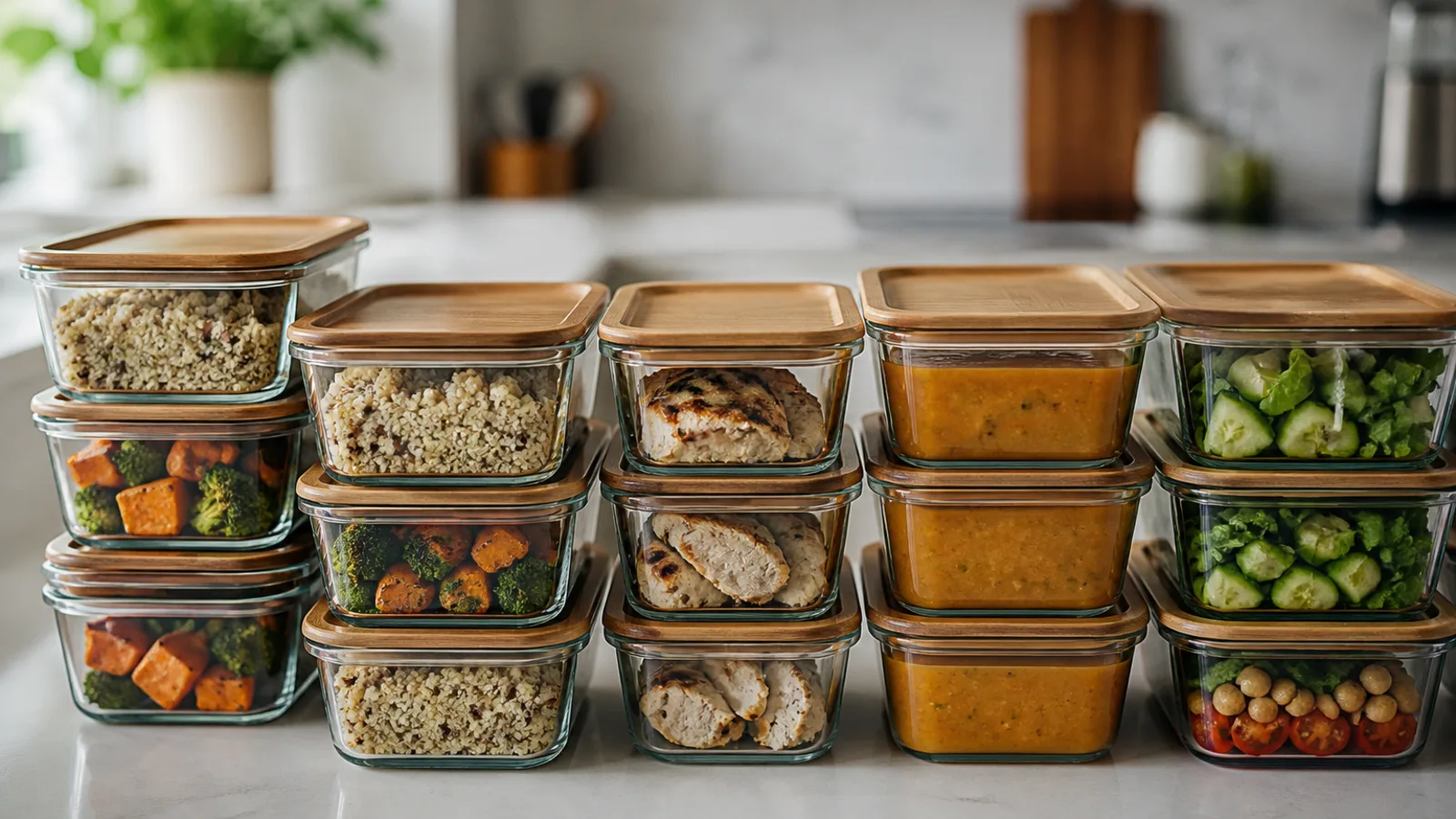
Meal prep is only useful if your food is still safe, appetising and easy to reheat when you need it. If you have ever opened a container on Thursday and wondered whether Sunday’s chicken bowl is still okay, you are not alone. The simplest answer to how long does meal prep last in the fridge is: most cooked meals are best eaten within about 3 to 4 days, provided they were cooled quickly, stored cold and reheated properly.
That said, not every dish behaves the same way. Seafood, rice, salads, egg dishes and creamy sauces all need a little extra thought. Use this as a practical reference, and check official food-safety guidance for specific foods, especially if you are pregnant, immunocompromised, cooking for young children or feeding older adults.
How long does meal prep last in the fridge? The short answer
For most cooked meal prep, a typical fridge window is about 3 to 4 days. That applies to many cooked meats, poultry, vegetables, pasta dishes, soups, stews, casseroles and grain bowls when they have been handled safely.
Your fridge temperature matters. US guidance commonly recommends keeping the fridge at or below 40°F, which is about 4°C. UK and Australian guidance often advises keeping the fridge below 5°C, and Canadian guidance commonly uses 4°C or below. A simple standalone fridge thermometer is the easiest way to check, because built-in dials do not always tell you the real temperature.
The clock starts when the food is cooked, not when you finally remember to label the container.
If you cook chicken, rice and roasted vegetables on Sunday evening, plan to eat the refrigerated portions by around Wednesday or Thursday. If you want some for Friday, freeze those portions on Sunday rather than hoping they will stretch to the end of the week.
Meal prep fridge storage guide by food type
Cooked chicken, turkey, beef and pork
Cooked poultry, beef, lamb and pork generally fit the 3 to 4 day fridge range when stored properly. This includes roast chicken, turkey mince, cooked steak strips, meatballs, pulled pork, chilli and most meat-based casseroles.
Deli meats and sliced cooked meats are a separate category. Once opened, many are best used within a few days, and official advice can be stricter for people at higher risk from listeria. Follow the packet label and local food-safety guidance, especially during pregnancy or when cooking for older adults.
For cooked meats, use shallow, airtight containers and refrigerate promptly. Reheat until the food is hot all the way through, using a food thermometer where possible.
Cooked fish and seafood
Seafood is more delicate. While guidance can vary by product and country, cooked fish and seafood are often best eaten within 1 to 2 days for quality and caution. The flavour and texture can decline quickly, and seafood is not ideal for a late-week lunch unless it has been frozen safely.
If you want seafood in your meal-prep routine, make it for Monday or Tuesday, cook it midweek, or freeze suitable portions early. Avoid leaving seafood-based meals in lunch bags, cars or on desks for long periods.
Cooked rice, grains and pasta
Cooked pasta, quinoa, barley and many grains are usually fine within the same 3 to 4 day cooked-leftover window. Rice deserves special care because it can carry spores of Bacillus cereus, which may survive cooking and become a problem if rice is left warm for too long.
There is an important regional difference here. Some official guidance, including UK food-safety advice, recommends cooling cooked rice as quickly as possible, ideally within one hour, and keeping it in the fridge for no more than one day before reheating. If you want rice for several days, the more practical option is to freeze it in single portions soon after cooking.
To cool rice faster, spread it in a shallow container or on a clean tray, then refrigerate or freeze it promptly once the heavy steam has gone. Reheat it until it is steaming hot throughout, stir well to remove cold spots, and do not keep reheated rice for later.
Beans, lentils and plant-based proteins
Cooked beans, chickpeas, lentils, tofu and tempeh generally work well for meal prep and usually fall into the 3 to 4 day fridge range when handled safely. Lentil curries, bean stews and chickpea soups are especially freezer-friendly.
Texture is the main trade-off. Crispy tofu will soften in the fridge, especially once sauced. If texture matters, store tofu separately from sauce and re-crisp it in a pan, oven or air fryer before serving.
Soups, stews, curries and casseroles
These are some of the best meal-prep dishes because saucy foods often reheat well. Most cooked soups, stews, curries and casseroles can be refrigerated for about 3 to 4 days.
The key is cooling. A huge pot of chilli can stay warm in the centre for a long time. Divide it into shallow containers so it chills faster, then refrigerate or freeze portions once they are no longer steaming heavily.
Egg dishes
Frittatas, egg muffins, breakfast casseroles and hard-boiled eggs can be useful for meal prep, but they need consistent chilled storage. Follow official guidance for the specific egg dish, because peeled and unpeeled hard-boiled eggs, egg-based casseroles and mayonnaise-based salads may have different recommendations.
Do not leave egg dishes out for a long brunch, then pack them away for later in the week. Time at room temperature still counts.
Salads, raw vegetables and dressed bowls
Fresh salads are often limited more by quality than by the official leftover window. Undressed chopped vegetables can last several days, depending on the vegetable, but dressed salads may wilt within a day or two.
For better meal prep, store components separately. Keep greens dry, dressing in a small pot, grains and proteins in another container, and crunchy toppings in a bag or jar. Add watery ingredients such as tomatoes, cucumbers and berries close to serving.
Sauces, dips, dressings and opened cartons
Sauces vary widely. A cooked tomato sauce, a yoghurt dressing, a homemade mayonnaise-based dip and a fresh herb sauce do not have the same storage life. Dairy, eggs, fresh herbs and garlic-in-oil mixtures deserve extra caution.
Opened stock, broth and sauce cartons are common meal-prep staples, but they are not meant to sit in the fridge indefinitely. Many are best used within a few days after opening; follow the label and freeze leftovers in small portions if you will not use them in time.
Quick reference: fridge and freezer ranges
Use these as typical planning ranges, not absolute guarantees. Storage time depends on ingredients, how quickly the food was cooled, fridge temperature, packaging and whether the food has been reheated before.
- Cooked poultry: about 3 to 4 days in the fridge; freezer quality is usually best within a few months. Good for bowls, soups, wraps and casseroles.
- Cooked beef, lamb or pork: about 3 to 4 days in the fridge; freezes well in sauces, stews, chilli and mince-based dishes.
- Deli meats and sliced cooked meats: storage varies by product, but once opened they are often best used within a few days. Follow the label and be extra cautious for higher-risk groups.
- Cooked seafood: often best within 1 to 2 days in the fridge; freezer quality varies by fish and recipe. Eat early in the week.
- Cooked rice: follow local guidance carefully. Some agencies advise using refrigerated rice within 24 hours; freezing single portions is often the safest meal-prep strategy.
- Cooked grains and pasta: about 3 to 4 days in the fridge when cooled and stored properly; many grains freeze well.
- Soups and stews: about 3 to 4 days in the fridge; usually excellent freezer candidates.
- Cooked vegetables: about 3 to 4 days in the fridge; freezer success depends on water content and texture.
- Fresh salads: about 1 to 3 days depending on ingredients and dressing; usually poor candidates for freezing.
- Egg dishes: storage varies by dish; keep chilled and check specific official guidance for hard-boiled eggs and egg-based salads.
Freezer times are mostly about quality. Food kept continuously frozen at the proper temperature is different from food sitting in the fridge, but flavour, texture and moisture still decline over time. Aim to keep your freezer around 0°F or -18°C.
How to cool meal prep safely
Do not leave cooked food out for hours
Many official food-safety agencies use a two-hour rule for perishable food at room temperature, with a shorter window in hot conditions. If cooked food has been sitting out too long, reheating does not reliably make it safe again.
That means you should not leave a tray of cooked chicken, a pot of rice or a pan of lasagne on the counter all afternoon to cool. Cool it efficiently, then get it into the fridge or freezer.
Use shallow containers
Large pots cool slowly. Instead, divide soups, stews, rice, pasta and casseroles into smaller, shallow containers. Let heavy steam escape briefly, then cover and refrigerate once cooling is underway.
Avoid stacking lots of hot containers tightly together in the fridge. They trap heat and can warm nearby food. Leave a little space around containers until they are fully chilled.
Label before you forget
Label containers with the dish and the date cooked. This is more useful than a vague Tuesday lunch note, especially if plans change.
- Good label: Chicken chilli — cooked Sunday — fridge by Thursday.
- Freezer label: Lentil curry — frozen Sunday.
- Simple system: fridge meals at the front, freezer meals clearly dated, older portions used first.
The best containers for keeping meal prep fresh
Airtight containers help reduce drying, spills and odour transfer. Portion-sized containers also make reheating safer because you only warm what you plan to eat.
Glass containers are useful if you often reheat in the microwave or oven, but check the manufacturer’s instructions for lids and temperature changes. Freezer-safe bags and containers help prevent freezer burn. For soups, stews and sauces, leave a little headspace because liquids expand as they freeze.
If you pack salads, consider a divided container or separate jars for dressing, sauces and crunchy toppings. Keeping wet and dry elements apart is the difference between a crisp bowl and a soggy one.
How to reheat meal prep safely
Reheat until hot all the way through
Leftovers should be reheated thoroughly. In North America, guidance often references 165°F or 74°C for reheated leftovers. UK and Australian guidance may describe food as needing to be steaming hot throughout, and some official advice also uses time-and-temperature benchmarks such as 70°C for two minutes or 75°C in the centre.
For home cooks, the safest practical combination is simple: reheat until the whole portion is piping hot, bubbling or steaming, and use a probe thermometer when you can. A centre temperature around 74°C to 75°C, or 165°F, is a helpful target for leftovers.
Microwaves heat unevenly, so stir soups, stews, rice and pasta halfway through. Let the food stand briefly after microwaving, then check the centre. Cold spots are common in dense foods such as lasagne, rice bowls and thick curries.
Reheat only what you plan to eat
Repeated reheating and cooling can increase risk and ruin texture. Portion meals before storing so you are not reheating a large batch every night.
Do not mix freshly cooked food into old leftovers unless you are treating the entire dish according to the oldest ingredient. A fresh sauce does not make four-day-old chicken new again.
Take extra care with rice
Rice is one of the most misunderstood meal-prep foods. It can be perfectly workable, but it needs faster cooling and more conservative storage than many people realise.
If rice is a staple in your week, freeze it in single portions. Flatten freezer bags so they thaw quickly, or use small freezer-safe containers. Once rice has been reheated, serve it straight away rather than saving it again.
How long does meal prep last in the freezer?
Freezing is the best option for meals you will not eat within the fridge window. Many cooked meals taste best within a few months, although exact quality depends on ingredients, packaging and freezer temperature.
For best results, freeze food once it has cooled, not on the last possible day in the fridge. Food that goes into the freezer fresh comes out better than food that was already tired.
- Cool the meal safely.
- Pack it into single portions.
- Label it with the dish and date.
- Freeze flat or in shallow containers where possible.
- Thaw in the fridge when you can.
- Reheat thoroughly before eating.
Good freezer habits make meal prep more flexible. Freeze two portions of Sunday curry immediately and keep two in the fridge. Freeze cooked rice flat in bags. Keep single-serving soups ready for days when lunch plans fall apart.
Meal prep dishes that freeze well
The best freezer meals tend to be moist, saucy and portionable. They do not rely on crisp lettuce, delicate garnishes or just-cooked texture.
- Soups, stews and chilli
- Curries and saucy lentil or bean dishes
- Meatballs, shredded chicken and cooked mince
- Bolognese-style sauces
- Lasagne, baked pasta and casseroles
- Cooked grains such as rice, quinoa and farro
- Breakfast burritos
- Some egg bakes and savoury muffins
- Smoothie packs without added liquid
Freeze the base, then add fresh elements later. For example, freeze chilli, then add avocado, yoghurt, herbs or salad leaves after reheating.
Meal prep dishes that do not freeze well
Some foods are safe to freeze but disappointing to eat afterwards. Water-rich, crisp or creamy foods often suffer the most.
- Leafy salads and dressed salads
- Cucumber, lettuce and raw tomato
- Crispy fried foods, unless you plan to re-crisp them
- Mayonnaise-based dressings and some creamy sauces
- Dairy-heavy dishes that may split
- Cooked potatoes, which can become grainy or watery depending on the recipe
- Overcooked pasta, which may turn soft after thawing
- Fresh herbs and delicate garnishes
A smarter approach is to freeze components rather than finished bowls. Freeze the curry, stew, protein, sauce or grain, then assemble with fresh toppings on the day you eat.
A safer 5-day meal prep plan
A five-day meal-prep plan does not have to mean five identical containers sitting in the fridge until Friday. A safer plan uses the fridge for the first few days and the freezer for later meals.
Think of it as the 4-day rule with a freezer safety net: prep once, refrigerate what you will eat soon, and freeze the meals that belong later in the week.
- Sunday: cook chicken chilli, rice, roasted vegetables and chopped salad ingredients.
- Monday: eat the most delicate meal, such as a salad-based bowl or seafood dish.
- Tuesday: eat chicken chilli from the fridge.
- Wednesday: eat roasted vegetables and grains from the fridge.
- Thursday: thaw a frozen chilli portion overnight and reheat thoroughly.
- Friday: use frozen rice with a quick fresh topping, eggs cooked that day, or a simple stir-fry.
This style of planning gives you convenience without pushing every dish to the edge of its storage life. It also keeps salads, herbs, sauces and crunchy extras tasting fresher.
How to tell if meal prep should be thrown away
Smell and appearance help, but they are not enough. Food that could make you ill may look and smell normal. Never taste questionable food to check.
Throw meal prep away if:
- It has been left at room temperature too long.
- You cannot remember when it was cooked.
- The fridge was not cold enough or the container was not sealed.
- There is visible mould, unusual slime, bubbling or an off smell.
- It has been reheated and cooled repeatedly.
- It contains high-risk ingredients and you are unsure how it was handled.
Wasting food is frustrating, but food poisoning is worse. If you are uncertain, especially with meat, seafood, rice, eggs or dairy-based dishes, it is safer to discard it.
Official food-safety resources to check
Food-safety wording varies slightly by country, so it is worth checking the guidance where you live. These resources are useful starting points:
- FoodSafety.gov for US consumer food-safety guidance.
- USDA Food Safety and Inspection Service for meat, poultry and egg product guidance.
- UK Food Standards Agency for food hygiene and home storage advice.
- NHS guidance on reheating rice for specific rice advice in the UK.
- Health Canada food safety for Canadian guidance.
- Food Standards Australia New Zealand for Australian and New Zealand food-safety information.
Use official sources for specific questions, such as cooked rice, hard-boiled eggs, power outages, infant food, pregnancy food safety and storage after opening packaged products.
FAQ
Can meal prep last 5 days in the fridge?
Some foods may still look and smell fine after five days, but many cooked leftovers are best kept to about 3 to 4 days in the fridge. For a five-day plan, freeze late-week portions on prep day or do a small midweek cook. Be especially careful with seafood, rice, egg dishes and meals for anyone at higher risk from foodborne illness.
Should I put hot meal prep straight in the fridge?
Do not leave cooked food out for hours, but do not put a huge hot pot straight into the fridge either. Divide food into shallow containers so it cools quickly and refrigerate promptly. This helps food pass through the warm zone faster and prevents one hot dish from warming everything around it.
Is it better to store meal prep in the fridge or freezer?
Use the fridge for meals you will eat within the next few days. Use the freezer for anything planned later in the week or beyond. Freezing early protects quality and makes your meal plan more forgiving if your schedule changes.
How many times can I reheat meal prep?
Best practice is to reheat only the portion you plan to eat. Repeated heating and cooling can increase risk and usually makes food less pleasant. Portion meals before storing so you are not warming the same batch several times.
Can I meal prep rice for the week?
You can meal prep rice, but it needs careful handling. Cool it fast, chill it promptly and follow your local guidance on how long to keep it. Because some official advice recommends eating refrigerated rice within 24 hours, freezing individual portions or cooking a smaller midweek batch is often the more practical choice.
Conclusion
So, how long does meal prep last in the fridge? For most cooked dishes, plan on about 3 to 4 days, with seafood, rice, salads and egg dishes needing extra care. If you want meals for the whole week, use your freezer as part of the plan: fridge for the first few days, freezer for later portions, and fresh toppings added when you eat. Cool food quickly, label it clearly, reheat it thoroughly and check official guidance whenever a food or situation is higher risk.




Join the conversation
Sign in — Sign in to join the conversation.