
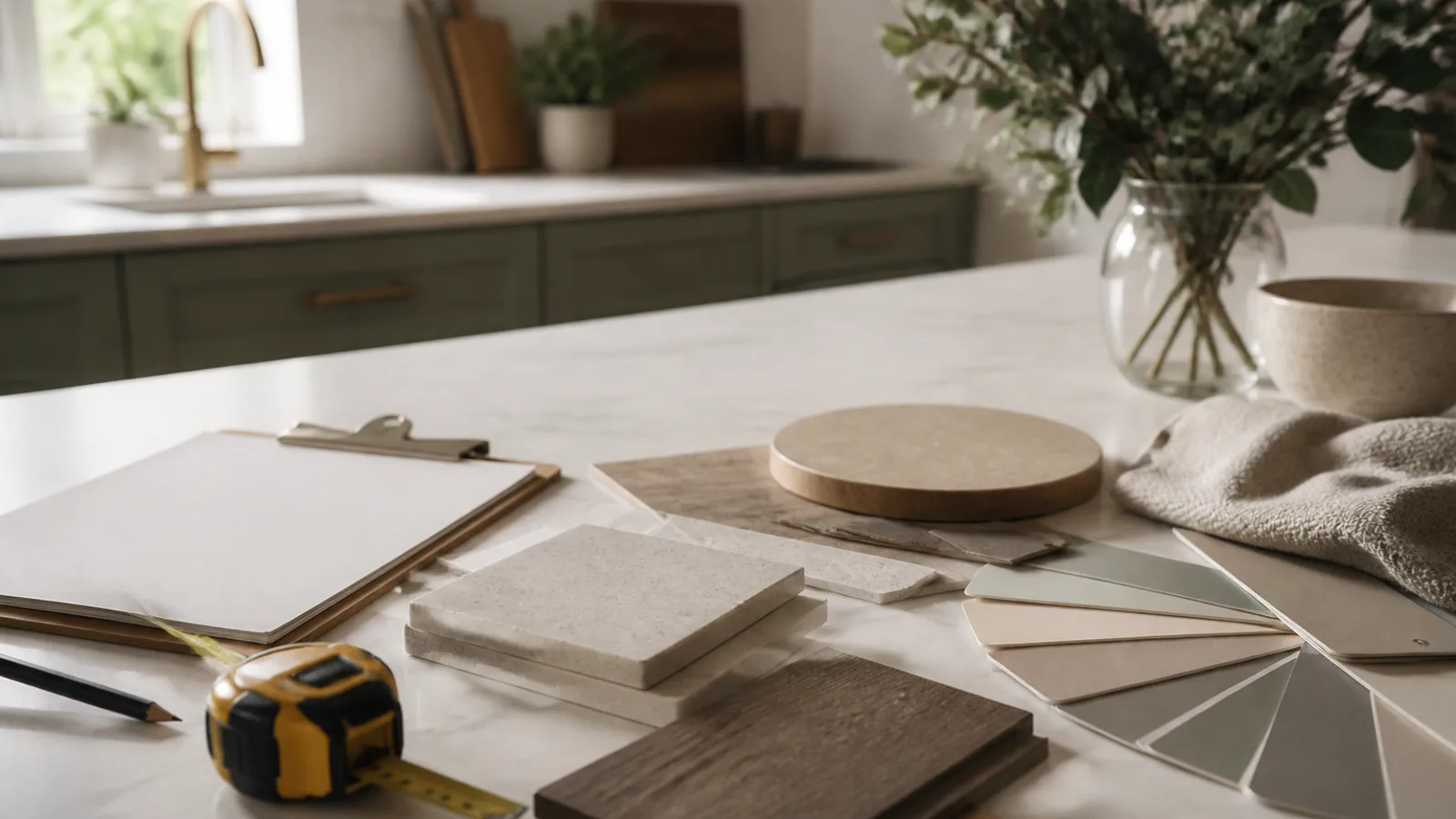
Renovating a house can feel like a balancing act: one eye on the vision, the other on the bank balance. The good news is that learning how to renovate a house without going over budget is less about luck and more about making careful decisions before work starts. Most budget blowouts happen when the scope is vague, the contingency is too small, or changes creep in after demolition has begun.
If you want a renovation that feels finished, not financially painful, the key is to plan for the real costs, not just the visible ones. That means knowing where money tends to disappear, where you can sensibly save, and where cutting corners usually costs more later.
Start with the real goal of the renovation
Before you look at tiles, taps, or paint colours, be clear about what the renovation needs to do. A budget can only hold if the project has a defined purpose.
Ask yourself: are you trying to create more space, improve the layout, fix damage, update finishes, or make the home more practical? Each of those goals has a different cost profile. A cosmetic refresh is very different from moving walls or replacing plumbing.
A useful way to narrow the scope is to separate the project into three lists:
- Must-haves: the work that has to happen for the house to function properly.
- Should-haves: the upgrades that matter, but could be changed if the budget tightens.
- Nice-to-haves: the extras that are easy to admire, but easiest to cut.
This is the point where many budgets go wrong. People begin with inspiration photos and then try to fit their home around the look. It works much better the other way around: define what the house needs, then choose finishes that support that plan.
Build your budget before you choose finishes
If you are trying to figure out how to renovate a house without going over budget, the first rule is simple: set the budget before the shopping starts. Once you fall in love with a product or material, it becomes much harder to make a rational decision.
Your total budget should include far more than materials and visible fixtures. Renovations often carry a long list of costs that are easy to forget when you are focused on the exciting parts. These may include:
- Design or planning fees
- Permits or approvals, where needed
- Labour and contractor fees
- Delivery charges
- Waste removal and skip hire
- Temporary accommodation, if the home is not livable during the work
- Storage for furniture or belongings
- Cleaning and making good at the end of the job
A simple structure can help. Divide the total into categories such as structure, trades, finishes, and contingency. That way, if one area starts climbing, you can see it early instead of discovering it at the end.
Hidden project costs to watch for:
- Waste removal
- Permit fees
- Delivery charges
- Protective floor coverings
- Cleaning and making good
- Temporary storage
- Short-term accommodation
If the renovation is complex or involves structural work, it may be worth speaking to a qualified professional for advice before committing to a final budget. The earlier you get expert input, the less likely you are to make an expensive mistake later.
The biggest cost traps to watch for
Some costs are predictable. Others arrive quietly and then snowball. The biggest budget traps are usually the ones that seem small at first.
Changes after work has started
Once demolition begins, every change has a ripple effect. Moving a socket may mean chasing walls, repainting, or altering cabinetry. Upgrading a tile may require a different adhesive, more labour, or a new layout plan.
Change orders are one of the fastest ways to overspend because the cost is rarely just the item itself. It is the item, the labour to fit it, and the knock-on work created by the change.
Before you approve a change, ask one question: does this improve the project enough to justify the cost, delay, and disruption it creates?
Hidden problems in older homes
Older homes can be beautiful, but they are also more likely to hide surprises behind walls, under floors, or in roofs. Damp, outdated wiring, worn plumbing, rotten timber, or previous bad repairs can all affect the final budget.
This is why it is wise to treat early estimates as a starting point, not a promise. Even the best-planned renovation can uncover issues once the house is opened up. The more unknowns there are, the more important contingency becomes.
Labour and access costs
Materials are only part of the bill. Labour often takes a larger share than people expect, especially if the job is awkward, hard to reach, or time-consuming. A project on an upper floor, in a tight terrace, or with limited parking may cost more simply because it is harder to work on.
These are the kinds of details that are easy to overlook when comparing quotes. Two quotes may look similar on paper, but if one assumes easy access and the other doesn’t, they are not really comparable.
The “while we’re here” upgrade trap
This is one of the most common reasons renovations drift beyond budget. You start by replacing a sink, then realise the taps look dated, the splashback no longer matches, and the base unit could use updating too. Before long, one small change has turned into a chain reaction.
That does not mean you should never improve adjacent items. It means you should decide in advance where the line is. Otherwise, every opened wall becomes an excuse to spend more.
Where you can save without weakening the result
Not every part of a renovation deserves the same level of spending. In many projects, the smartest savings are the ones that still deliver a polished result.
Keep the layout if you can
Moving plumbing, gas lines, or structural walls can quickly push a project into a higher-cost category. If the existing layout mostly works, it often makes sense to improve the room within the current footprint rather than rebuild it from scratch.
This is especially true in kitchens and bathrooms, where relocating services can have a major impact on labour, timing, and complexity.
Save on finishes that can be upgraded later
Paint, hardware, cushions, rugs, lamps, and small decorative pieces are useful places to save money because they can be changed later. They also have a big visual impact for a relatively modest spend.
If the budget is tight, it is usually better to choose simpler finishes and then layer in character with accessories over time than to overspend on the first round of decorative items.
Choose durable, simple materials
Trendy does not always mean practical. In many homes, a classic and durable choice will age better than an expensive material that is high-maintenance or fragile.
For example, a well-chosen mid-range worktop or floor can look smart and hold up well without the premium price tag of a highly specialised finish. The goal is not to buy the cheapest possible option. It is to buy the one that gives the best balance of appearance, durability, and cost.
Reuse what still works
It is tempting to replace everything at once, but not every item needs to go. Cabinets, doors, radiators, flooring, and some fixtures can often be cleaned, repaired, painted, or refinished instead of replaced.
Reuse makes the most sense when the item is structurally sound and the style can be improved without compromising quality. A well-made older piece can sometimes be refreshed for a fraction of the cost of buying new.
Where not to cut corners
There are some areas where saving money can create much bigger problems later. These are the parts of the job where quality matters more than the lowest quote.
Structural work
If a renovation involves load-bearing walls, foundations, roof issues, or major alterations, this is not the place to take shortcuts. Structural work should be assessed by a qualified structural engineer or other appropriate building professional before any load-bearing elements are changed.
A bargain price is not a bargain if it leads to safety concerns, failed inspections, or expensive remedial work later.
Electrical and plumbing work
Electrical and plumbing systems are not just hidden; they are essential. Poor workmanship here can create leaks, faults, or damage that is costly to fix after the walls are closed up again.
It is usually worth paying for proper installation, especially if the work affects kitchens, bathrooms, heating, or other essential services.
Waterproofing and insulation
Some savings are false economies. Waterproofing in bathrooms, basements, and kitchens matters because water damage is one of the most expensive mistakes to repair. Likewise, insulation affects comfort and running costs long after the renovation is complete.
If you are deciding where to be conservative and where to be firm, hidden performance layers should be in the second category. They may not be visible, but they protect the investment.
Planning and measurements
Bad measuring can lead to waste, reordering, delays, and unexpected labour costs. That is money spent with no visible gain. Accurate drawings, clear specifications, and a final review before ordering can save more than many people realise.
In other words: the cheaper the planning, the more expensive the mistakes.
How to renovate a house without going over budget: create a contingency that works
A contingency is not extra spending money. It is the part of the budget reserved for unknowns, and it should be treated as non-negotiable. If you are serious about how to renovate a house without going over budget, the contingency is what keeps the plan from collapsing when reality gets involved.
The right amount depends on the house and the type of work. A straightforward cosmetic update usually needs less buffer than a full renovation, and older homes generally need more than newer ones. The more unknowns there are, the more cautious your allowance should be.
Keep the contingency separate from the main project budget. Do not treat it as money to spend on upgrades unless there is a genuine project need. If the renovation runs smoothly, any leftover contingency is a bonus. If problems arise, it gives you breathing room without forcing cuts elsewhere.
It also helps to decide in advance when contingency can be used. For example:
- Unexpected structural repairs
- Hidden plumbing or wiring issues
- Necessary changes required by building regulations or safety needs
- Material delays that require a practical substitution
What it should not be used for is impulse upgrading. That beautiful extra fitting may be tempting, but if it is not solving a real problem, it belongs in the wish list, not the contingency pot.
Get quotes you can actually compare
One of the easiest ways to lose control of a renovation budget is to compare quotes that are not based on the same scope. A cheaper quote can look attractive until you realise it leaves out key parts of the job.
Ask every contractor to quote on the same brief. The more specific the brief, the more useful the quote. Try to make sure it includes:
- The exact scope of work
- Materials specification, where relevant
- Labour costs
- Estimated timing
- What is excluded
- Payment schedule
It is also worth checking for omissions such as decorating, waste disposal, making good, and fixture installation. These items often get left out of headline numbers and then added later.
Examples of quote items that often get missed:
- Making good after plumbing or electrical work
- Skip hire and waste disposal
- Painting after repairs
- Removal of old fixtures
- Final cleaning
When comparing prices, ask yourself not just which quote is lower, but which one is more complete. The most honest quote is often the one that helps you understand the full cost from the start.
Track spending throughout the project
A renovation budget should not be something you check once and forget. Costs shift as the work moves forward, so it helps to track everything from day one.
A simple spreadsheet is enough. Record the original estimate, the committed spend, the actual spend, and the remaining balance. Update it whenever you approve a purchase or agree to a change. That way, you can see problems before they become serious.
It also helps to review the budget at key stages, such as before demolition, before ordering materials, and before approving any variation to the scope. These checkpoints make it easier to stop and reassess before the numbers get away from you.
If you prefer a physical system, a notebook works too. What matters is consistency, not sophistication.
Practical examples of smart renovation choices
Sometimes the best way to understand a budget strategy is to see it in context.
Example 1: A kitchen renovation keeps the existing layout but replaces tired cabinet fronts, upgrades the worktop, adds fresh paint, and changes the lighting. The room feels transformed, but the project avoids the added expense of moving plumbing and appliances.
Example 2: A bathroom renovation initially includes moving the toilet, but the quote shows that the plumbing changes would absorb too much of the budget. The plan is revised to keep the layout, then invest in better tiles, a new vanity, and improved lighting instead.
Example 3: A Victorian home reveals unexpected wiring issues once the walls are opened. Because the owners kept a sensible contingency, they can address the problem without abandoning the rest of the project.
Example 4: A living room makeover uses paint, new curtains, a restored floor, and updated hardware instead of replacing every piece of furniture. The result feels new without requiring a full-room spend.
Example 5: A whole-house renovation gets three detailed quotes on the same scope. One appears cheaper at first, but it excludes waste removal, making good, and several fixtures. The owners choose the more complete quote and avoid budget shock later.
Final thoughts
The best way to stay on budget is not to hope for the best. It is to plan for the parts of the project that are most likely to cause trouble. If you want how to renovate a house without going over budget in practical terms, focus on scope first, control changes, compare quotes carefully, and protect yourself with a realistic contingency.
You do not need to cut every corner or chase the cheapest option. You need a renovation that is clear, measured, and built around decisions that make sense before the work begins. That is what keeps the project steady, the stress lower, and the budget under control.
FAQ
How much contingency should I leave when renovating a house?
It depends on the age and complexity of the property. A simple cosmetic project usually needs less buffer than a full renovation or a house with hidden issues. Older homes and projects with structural work generally need a larger contingency because surprises are more likely.
What renovation changes usually cost the most?
The biggest costs often come from moving plumbing, changing structural walls, upgrading electrical systems, and fixing hidden problems uncovered during demolition. Mid-project changes can also be expensive because they affect labour, materials, and timing.
Is it cheaper to renovate room by room or all at once?
There is no single answer. Renovating all at once can sometimes reduce repeated setup costs, but it also requires more cash up front. Room-by-room renovation may feel more manageable financially, though it can take longer and may create coordination challenges. The best choice depends on your budget, timeline, and whether the work needs to happen together.
Where should I spend more money in a renovation?
Spend more on the parts you cannot easily change later: structure, electrical work, plumbing, waterproofing, and good planning. These are the areas where quality matters most and where fixing mistakes later is usually more expensive.
What should be included in a contractor quote?
A useful quote should clearly show the scope of work, materials, labour, timing, exclusions, and payment schedule. It should also make clear what is and is not included so you can compare quotes fairly and avoid hidden extras.




Join the conversation
Sign in — Sign in to join the conversation.