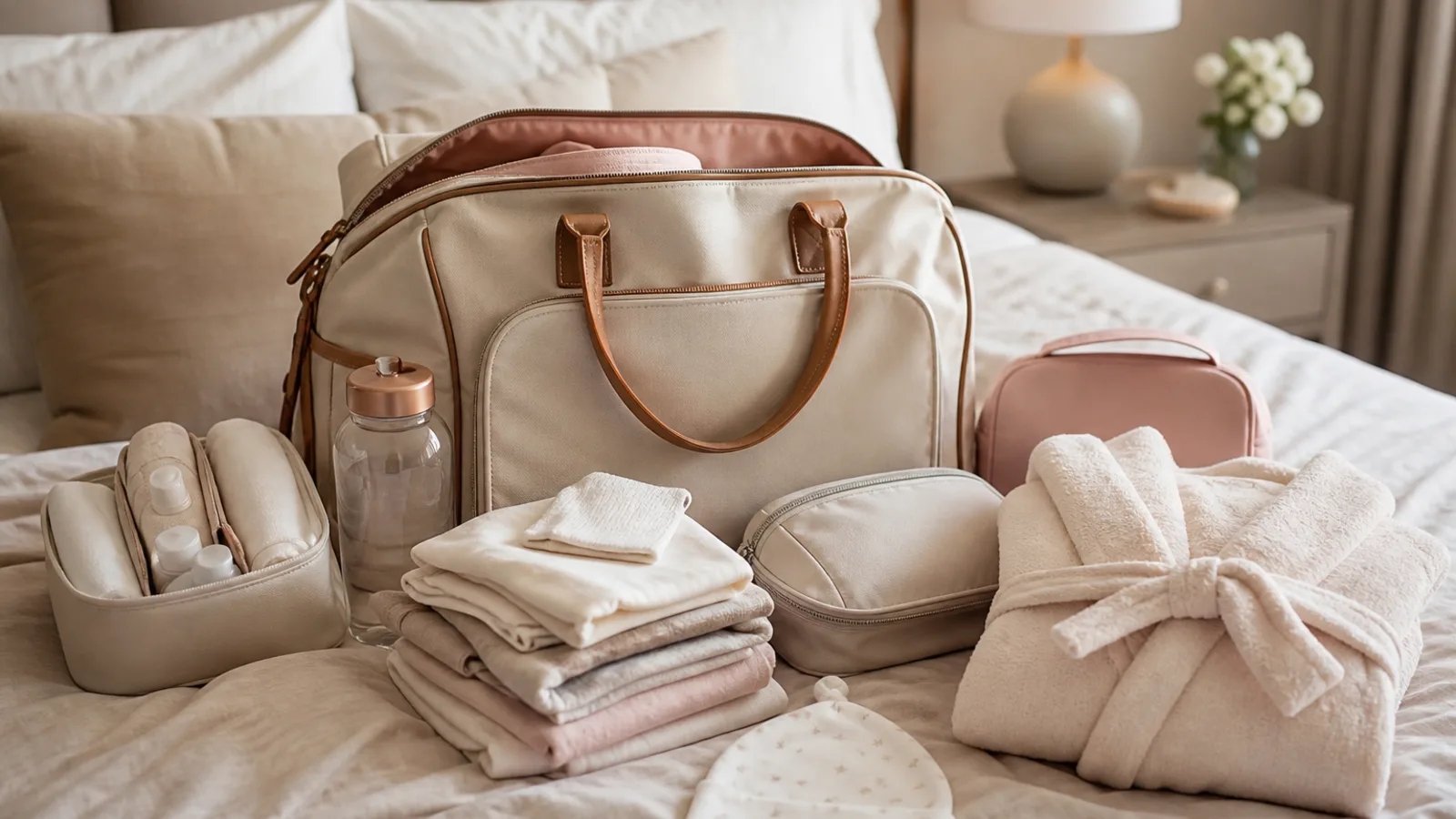
Packing for birth can turn into a surprisingly emotional project. One minute you are adding a phone charger; the next, you are wondering whether you need three blankets, a breast pump and a full cosmetics bag. This hospital bag checklist keeps things calmer: one small bag for labour, one for your postpartum stay, one for your baby, plus a separate kit for your birth partner or support person.
The aim is not to pack for every possible scenario. It is to bring what you are most likely to use, know what your hospital or birth centre may already provide, and make it easy for someone else to find things when you are busy doing the hard work.
When should you pack your hospital bag?
For many pregnancies, having your bag mostly packed by around 36 weeks is a sensible target. Pack earlier if you are expecting multiples, live far from your hospital or birth centre, have a planned earlier birth, or your midwife or doctor has told you there is a chance you may deliver early.
You do not need every daily item packed weeks in advance. Instead, keep a short “add before leaving” list on top of the bag or taped inside a cupboard door. Include your phone, charger, wallet, glasses, daily medication, toiletries and maternity notes if you are still carrying them to appointments.
Put the bags somewhere obvious, tell your partner or support person where they are, and label each one: labour, postpartum, baby and partner.
If you are travelling by car, make sure you have an approved, correctly fitted infant car seat ready before your due date. Hospital staff can rarely install or inspect it for you because of liability and local rules, so practise using the base and straps in advance. For US guidance, see the National Highway Traffic Safety Administration; elsewhere, check your local road safety authority.
The three-bag system: labour, postpartum and baby
A single large suitcase sounds efficient until someone is trying to find lip balm during contractions or a newborn vest at 3 a.m. Smaller, labelled bags are easier to manage in a busy room.
- Labour bag: the things you may want during labour and immediately after birth.
- Postpartum bag: clothes, toiletries and recovery items for your stay after delivery.
- Baby bag: newborn clothing, changing supplies and going-home essentials.
- Partner or support person kit: snacks, chargers, layers and practical items for the person supporting you.
You do not need special organisers. Zip pouches, freezer bags, packing cubes or small tote bags work well. Label anything that someone else may need to find, such as “first baby outfit,” “bathroom pouch” or “going home clothes.”
Bag 1: Labour bag checklist
Documents and essentials
- Photo ID.
- Insurance card, hospital paperwork or admission documents, if relevant.
- Maternity notes, antenatal records or handheld notes if used in your care system.
- A short birth plan or birth preferences, if you have one.
- A list of medications, allergies and important medical information.
- Phone and a long charging cable, or a portable power bank.
- Glasses, even if you usually wear contact lenses.
Birth plans do not need to be long. One clear page is often more useful than a detailed document. Include things like pain relief preferences, who is allowed in the room, feeding plans, allergies, and anything that helps you feel safe and respected.
Comfort items for labour
- Loose labour outfit, nightdress or oversized T-shirt if you prefer your own clothes.
- Warm socks.
- Hair ties, clips or a headband.
- Lip balm.
- Water bottle with a straw or sports cap.
- Snacks, if your care team allows eating during labour.
- Headphones, playlist, meditation tracks or hypnobirthing audio if you have practised with them.
- Massage lotion or oil, if you plan to use it.
- Small handheld fan or cooling cloth.
- TENS machine, if you plan to use one and it is allowed where you are giving birth.
- Swimwear, bikini top or dark sports bra if you may use a birth pool and want coverage.
Choose snacks that are easy to open and hand over: crackers, cereal bars, dried fruit, sweets, plain biscuits or electrolyte drink sachets if you already use them. Labour can be unpredictable, so do not rely on a vending machine or café being open.
What hospitals may already provide during labour
Provision varies a lot by country, hospital, public or private care, and individual unit policy. Many North American hospitals provide at least some postpartum pads, disposable underwear, nappies or diapers, peri bottles and basic baby supplies. In the UK, Australia and some Canadian settings, you may be expected to bring more of your own maternity pads, newborn nappies, wipes or cotton wool.
Do not guess. Before you pack, check your hospital or birth centre’s list or ask at an appointment: “I’m packing my birth bag. What do you provide for postpartum bleeding, baby changing and feeding?”
Nice-to-have, not essential
- Your own pillow in a distinctive pillowcase.
- Battery candles or small lights, if allowed.
- A printed copy of affirmations or calming prompts.
- A small speaker, if permitted and used considerately.
Use strong scents carefully. Essential oils, sprays and diffusers can be unpleasant for other patients or staff, and some units do not allow them. If scent is important to you, ask first and keep it subtle.
Bag 2: Postpartum hospital bag checklist
Clothing for after birth
- Loose pyjamas, a nightdress or a button-front sleep shirt.
- Robe, cardigan or zip-up hoodie.
- Comfortable going-home outfit, ideally maternity or stretchy.
- High-waisted underwear, especially helpful after a caesarean.
- Nursing bras or soft bras, if you want them.
- Socks and non-slip slippers.
- Flip-flops or shower shoes.
Your body will not instantly feel like it did before pregnancy. Choose soft waistbands, dark colours and clothes you would not be upset to stain. If you plan to breastfeed or chestfeed, front-opening tops or loose necklines can make the first feeds easier.
Toiletries and personal care
- Toothbrush and toothpaste.
- Face wash or gentle wipes.
- Deodorant.
- Hairbrush and hair ties.
- Moisturiser and lip balm.
- Shampoo and conditioner if you expect a longer stay.
- Glasses or contact lens supplies.
- Prescription medication in original packaging, if advised by your care team.
- A small towel if you strongly prefer your own.
Keep toiletries simple. You may be thrilled to shower, or you may only manage a quick face wash. Either is normal.
Post-birth recovery items
- Maternity pads or heavy-flow pads.
- Disposable or dark full-coverage underwear.
- Peri bottle if your hospital does not provide one.
- Nipple cream if you plan to breastfeed or chestfeed.
- Breast pads, though not everyone needs them before going home.
- A small bathroom pouch with pads, underwear and peri bottle together.
Hospitals in some places provide pads, mesh underwear and peri bottles, but this is not universal. If you are unsure, pack a small supply in your bag and keep more at home for later.
Do not start pain medication, stool softeners or herbal remedies without checking with your midwife, nurse, doctor or pharmacist, especially if you are breastfeeding, chestfeeding, recovering from surgery or taking other medication.
Food, drink and practical extras
- Snacks for after birth.
- Reusable water bottle.
- Tea bags, instant coffee or drink sachets if you are particular and facilities allow.
- Earplugs and eye mask for noisy wards.
- Payment card and a small amount of cash or coins for parking or vending, if useful where you live.
- Folder or envelope for discharge papers and newborn documents.
Birth partner checklist: what your support person should pack
Many lists focus entirely on the person giving birth, but a well-prepared support person can make labour feel much smoother. They should not be hungry, cold, unreachable or searching for parking payment while you need them.
Essentials for the partner or support person
- Phone and a long charging cable. A 6-foot or 2-metre cord is useful; a longer one can be even better in older rooms.
- Portable power bank.
- Snacks and drinks.
- Refillable water bottle.
- Change of clothes and underwear.
- Zip-up hoodie or layers that can come on and off quickly.
- Toothbrush and deodorant.
- Any regular medication.
- Glasses or contact lens supplies, if needed.
- Comfortable shoes.
- Payment card plus cash or coins, because some car parks and vending machines are unpredictable.
Practical support items
- Copy of birth preferences.
- List of key contacts.
- Camera, if using one, with charged battery and memory card.
- Quiet entertainment for long waits.
- Notebook or notes app for timings, questions and instructions.
- Extra tote bag for laundry, gifts, paperwork or supplies.
It can help to put a short “partner briefing” note in the labour bag. For example: Offer me water, remind me to use the bathroom, tell staff about my allergies, ask before taking photos, and update family only when we have agreed.
What your partner should handle
- Knowing where each bag is.
- Communicating your preferences when you are focused.
- Offering fluids, snacks or comfort measures when appropriate.
- Keeping family updates within agreed boundaries.
- Taking photos only with consent.
- Managing luggage and the car seat.
Bag 3: Newborn hospital bag checklist
Clothing
- Two or three sleepsuits, footies or onesies.
- Two or three bodysuits or vests, depending on climate.
- Newborn hat, if recommended by your hospital.
- Socks or booties if outfits do not have feet.
- Going-home outfit suitable for the weather.
- Blanket or warm layer for the journey home.
If you are unsure about sizing, pack one newborn outfit and one 0–3 month outfit. Babies vary, and scans can only estimate size.
Nappies, diapers and changing
- Small pack of newborn nappies or diapers, unless your hospital provides them.
- Wipes, cotton wool or cotton pads, depending on local advice and preference.
- Muslin cloths or burp cloths.
- Wet bag or plastic bag for soiled clothes.
- Nappy cream only if you expect to need it.
Many newborns need very little product on their skin at first. Simple is usually enough unless your midwife, nurse or doctor advises otherwise.
Feeding items
If you plan to breastfeed or chestfeed, you usually do not need much for the baby beyond muslins and your own comfort items. If you want a feeding pillow, consider whether it is worth the space; hospital pillows can often be arranged for support.
If you plan to formula feed, ask your hospital exactly what to bring. Many units prefer sealed, ready-to-feed liquid formula for newborns in hospital, sometimes with single-use teats, because safe preparation and sterilising facilities on the ward can be limited. Do not assume powdered formula can be prepared there. For safe formula preparation principles, see the NHS guidance on making up baby formula or your local public health advice.
If expressing or pumping becomes needed during your stay, many hospitals can guide you and may have pumps available, but this also varies. Ask before packing a pump unless your care team has told you to bring one.
Car seat and going home
If you are travelling by car, practise loosening and tightening the car seat straps before discharge day, when everyone is tired. Bulky coats and thick pramsuits can stop straps from fitting safely; use a blanket over the fastened straps instead.
Adjustments for a planned caesarean
For a planned caesarean, pack as though you may stay a little longer than you would after an uncomplicated vaginal birth. The exact length of stay varies by hospital, country and recovery.
- Choose soft, high-waisted briefs that sit well above a bikini line and do not roll down onto the incision area when you sit.
- Consider seamless or very soft full briefs, or the disposable styles your hospital may provide.
- Pack nightshirts or loose dresses; even soft trouser waistbands can rub when you are getting in and out of bed.
- Bring slip-on shoes so you do not need to bend.
- Use a long phone charger that reaches the bed easily.
- Add extra toiletries, snacks and a spare outfit.
- Consider a small pillow for the car ride home, placed gently between your abdomen and the seatbelt if comfortable.
Avoid lifting heavy bags after surgery. Let your partner, support person or staff help with luggage. Follow your clinician’s advice on wound care, pain relief and activity; recovery needs vary.
Adjustments for a birth centre birth
Birth centres often encourage a lighter, more home-like approach and may have shorter stays. Still, it is wise to pack a small overnight kit in case you stay longer or transfer to hospital.
- Bring maternity notes or records and any required paperwork.
- Check whether towels, pads, nappies, wipes and feeding supplies are provided.
- Pack your preferred labour comfort items.
- Bring a phone charger, clean underwear, pads, toiletries and one extra outfit.
- Pack weather-appropriate baby clothing for going home.
A simple “just in case” pouch with toothbrush, underwear, pads, baby outfit and charger can save stress without overpacking.
Adjustments for a home birth
For a home birth, follow the supply list from your midwife or home birth team first. They know what they bring and what they expect you to prepare.
Typical home preparations may include clean towels, waterproof protection for the bed or floor, clean sheets, hand soap, good lighting, large rubbish bags, maternity pads, newborn nappies and a warm space for the baby. Your midwife may have more specific instructions.
Even if you are planning to stay home, pack a small hospital transfer bag and keep it easy to grab. Include ID, maternity notes, phone charger, a change of clothes, baby outfit, nappies and any essential medication. Know the route to hospital and who would drive if transfer is recommended.
What you probably do not need to pack
- A large suitcase full of outfits.
- Pre-pregnancy jeans or tight going-home clothes.
- Expensive jewellery or valuables.
- Candles or anything with an open flame.
- Strong fragrances or diffusers.
- Lots of newborn toys.
- A full makeup kit unless it genuinely helps you feel like yourself.
- Multiple blankets if your hospital provides them.
- A breast pump unless advised or told to bring one.
- Too many nappies or diapers if your hospital provides them.
- White or delicate clothing.
If you are debating an item, ask: Will I use this in the first 24 to 48 hours, or can someone bring it later? Most extras can wait.
Your final hospital bag checklist
The 3-bag rule: labour bag for the birth room, postpartum bag for your stay, baby bag for your newborn. Your partner gets their own kit.
Labour bag
- ID, hospital paperwork and maternity notes.
- Birth preferences.
- Phone, long charger and power bank.
- Water bottle.
- Lip balm and hair ties.
- Warm socks.
- Comfortable labour clothing.
- Snacks if allowed.
- Glasses or contact supplies.
- Headphones, music, TENS machine, fan or massage items if wanted.
- Swimwear or sports bra for a birth pool if planned.
Postpartum bag
- Loose pyjamas, nightdress or button-front sleep shirt.
- Robe, cardigan or zip-up hoodie.
- Comfortable going-home outfit.
- High-waisted underwear.
- Soft or nursing bras.
- Toiletries.
- Maternity pads.
- Peri bottle if not provided.
- Nipple cream and breast pads if wanted.
- Slippers or shower shoes.
- Earplugs and eye mask.
- Folder for paperwork.
Partner or support person bag
- Phone, long charger and power bank.
- Snacks and drinks.
- Change of clothes.
- Toothbrush and deodorant.
- Zip-up hoodie and comfortable shoes.
- Medication if needed.
- Payment card plus cash or coins.
- Copy of birth preferences.
- Contact list.
- Camera if using.
- Extra tote bag.
Baby bag
- Two or three sleepsuits or onesies.
- Two or three bodysuits or vests.
- Hat and socks if needed.
- Nappies or diapers if not provided.
- Wipes, cotton wool or cotton pads.
- Muslin cloths.
- Going-home outfit.
- Weather-appropriate blanket or layer.
- Formula supplies if required by your hospital.
- Wet bag for soiled clothes.
- Correctly fitted car seat if travelling by car.
Last-minute items to add before leaving
- Phone.
- Wallet.
- Keys.
- Charger or power bank.
- Glasses.
- Daily medication.
- Toiletries used that morning.
- Maternity notes if not already packed.
- Pillow if taking one.
- Cold snacks or drinks from the fridge.
Take a photo of this list and share it with your partner or support person. That way, they can help without asking you to remember everything while you are in labour.
FAQ
How many bags should I take to the hospital for birth?
Three smaller bags usually work better than one large suitcase: one for labour, one for your postpartum stay and one for the baby. Your partner or support person should also have their own small bag.
When should I pack my hospital bag?
Around 36 weeks is a practical target for many pregnancies. Pack earlier if you have been told you may deliver early, are expecting multiples, have a planned caesarean before your due date, or live far from your hospital or birth centre.
Do hospitals provide nappies, pads and formula?
Some do and some do not. It depends on the hospital, country, public or private care, and individual unit policy. North American hospitals often provide more postpartum and baby supplies, while UK and Australian units may expect you to bring more of your own. Always check before you pack.
What should I wear home from the hospital after giving birth?
Choose loose, soft clothing that would still have felt comfortable late in pregnancy. After a caesarean, high-waisted underwear and a loose dress or very soft waistband are often more comfortable.
Do I need to bring a breast pump to the hospital?
Usually not, unless your care team has advised it or your hospital has told you they do not provide pumps. If pumping becomes needed, ask your midwife, nurse or lactation consultant what equipment and support are available.
Conclusion
The best hospital bag checklist is not the longest one. It is the one that helps you find what you need quickly, keeps your room manageable and leaves space for the items your hospital actually expects you to bring. If you have your medical details, a safe way to take your baby home, essential medication and a packed first outfit, most other things can be brought in, bought nearby or handled later. Pack thoughtfully, brief your support person, and let the rest be flexible.




Join the conversation
Sign in — Sign in to join the conversation.