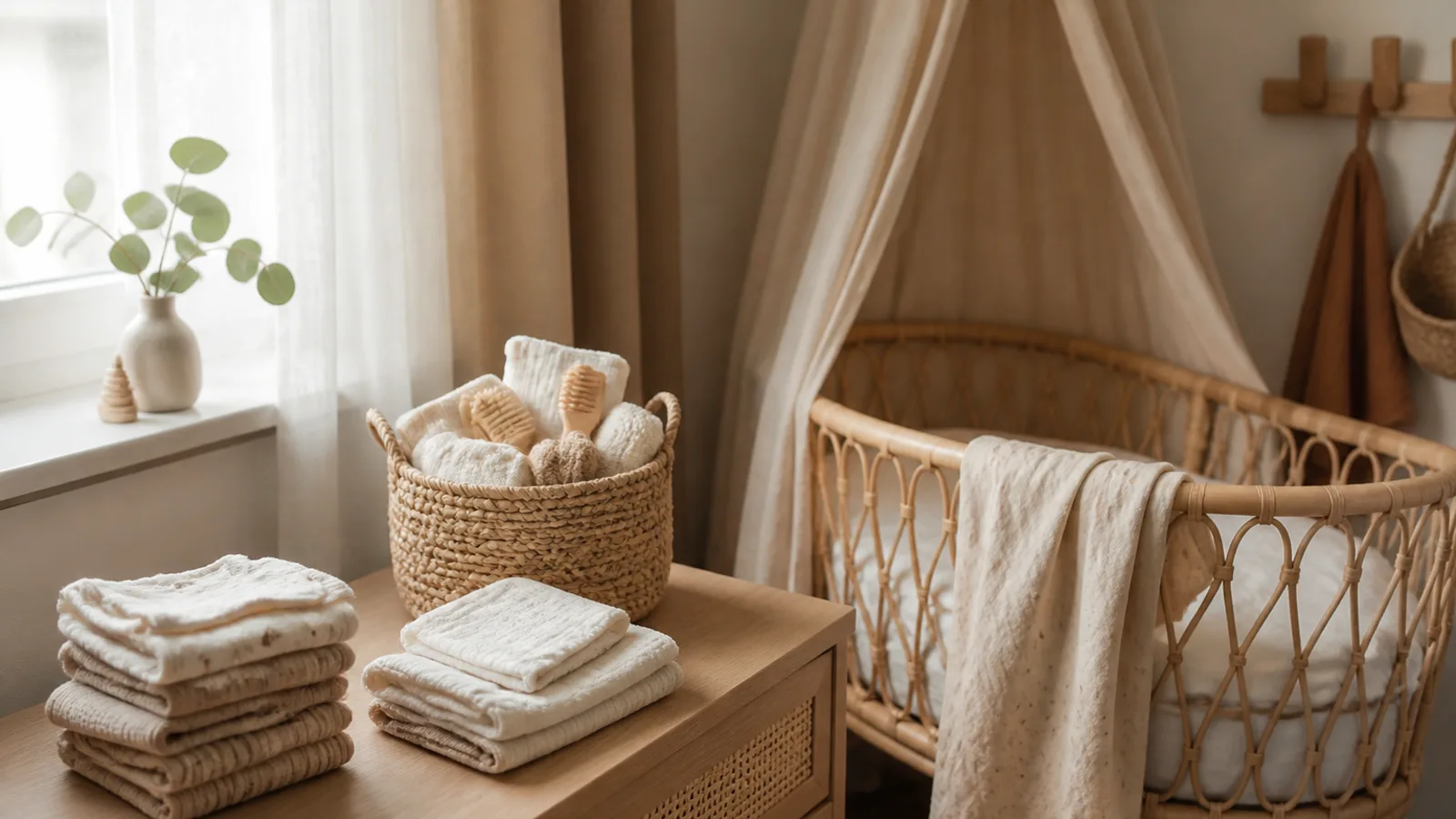
Preparing for a baby can make even the calmest person feel under-equipped. One search leads to another, and suddenly you are being told you need a wipe warmer, five sleep gadgets, a full nursery suite and shoes for someone who cannot stand.
This newborn essentials checklist is the antidote. For the first three months, your baby needs a safe place to sleep, a safe way to travel, feeding supplies, nappies or diapers, simple clothes, basic health and bath items, and a way to leave the house. Everything else can be judged slowly, once you know your baby and your real routine.
Buy first for safety and daily use. Borrow, buy second-hand or wait on the rest.
Newborn essentials checklist: must-have, nice-to-have and skip-it
Think in three tiers instead of one giant shopping list. This keeps your budget focused and helps you avoid buying for an imaginary version of newborn life.
Must-have
- Approved infant car seat or newborn-suitable rear-facing seat, if your baby will travel by car
- Safe sleep space: cot, crib, bassinet, Moses basket, bedside sleeper or suitable travel cot that meets local standards
- Firm, flat mattress that fits the sleep space properly
- Fitted sheets
- Nappies or diapers, plus wipes or reusable cloths
- Basic newborn clothing
- Feeding supplies for breastfeeding, formula feeding, expressed milk or combination feeding
- Burp cloths or muslins
- Digital thermometer
- Baby nail file or baby nail clippers
- Simple bath supplies
- Pram, stroller or newborn-safe baby carrier, depending on your lifestyle
Nice-to-have
- Changing pad or dedicated changing area
- Baby monitor, especially in a larger home
- Sleep sacks or swaddles used safely
- Comfortable feeding chair or feeding corner
- White noise machine
- Nappy bin or diaper pail
- Play mat for supervised awake time
- Extra bottles, pump parts or milk storage supplies if your feeding plan needs them
Skip-it-for-now
- Cot or crib bumpers
- Pillows, loose duvets, comforters and sleep positioners
- Inclined sleepers or products not designed and approved for infant sleep
- Newborn shoes
- Large toy collections
- Lots of formal outfits in tiny sizes
- Wipe warmer
- Baby food maker
- Bulky activity centres for the newborn stage
Safety first: what to sort before your baby arrives
Cute clothes can wait. These are the decisions worth making early because they affect everyday safety from the first ride home.
A safe car seat
If your newborn will travel by car, you need a car seat suitable for a newborn and approved for use in your country. It should be rear-facing and installed exactly according to the manufacturer’s instructions.
Standards differ by region, so do not assume a seat bought overseas is legal where you live.
- US: Look for a seat that meets federal motor vehicle safety standards. Register it for recall notices. The National Highway Traffic Safety Administration offers car seat guidance and inspection resources.
- Canada: Car seats must meet Canadian standards. Seats bought outside Canada may not be approved for use there. Check Transport Canada.
- UK: Car seats must meet UK-approved regulations. Many newer seats are approved under R129, often called i-Size, while some older approved seats may still be permitted.
- Australia: Child restraints must meet Australian standards. Overseas restraints are generally not approved for use in Australia. See Product Safety Australia.
Best choice: buy the car seat new. Never buy a second-hand car seat from a stranger, marketplace or charity shop. Only consider one from a trusted relative or close friend if they bought it new, know its full history, can confirm it has never been in any collision, and it is not expired, recalled, damaged or missing parts or labels. If any detail is uncertain, buy new.
A safe sleep space
Your baby needs a separate, firm, flat surface designed for infant sleep. That might be a cot, crib, bassinet, Moses basket, bedside sleeper or suitable travel cot. The simplest setup is usually the safest: a firm mattress, a fitted sheet and nothing loose in the sleep space.
Safe sleep guidance varies slightly by country, but the core advice is consistent: place babies on their backs for sleep unless a qualified clinician advises otherwise, use a firm and flat surface, and keep the sleep area clear of loose bedding, pillows, toys, bumpers, wedges and positioners.
For local guidance, check trusted sources such as the American Academy of Pediatrics, The Lullaby Trust, the Public Health Agency of Canada and Red Nose Australia.
Second-hand note: a cot or crib frame can be fine second-hand if it meets current safety rules, has all parts, includes instructions and is in excellent condition. Avoid older drop-side designs, which are banned or restricted in some countries, and never use a cot with missing hardware, broken slats or gaps that do not meet your local standard. Mattresses are best bought new unless you can verify firmness, fit, cleanliness and condition.
A way to feed your baby
Feeding supplies depend on your plan, and plans can change. You do not need every feeding product before birth.
- If you plan to breastfeed: start with comfortable bras, breast pads if you leak, nipple cream if you want it, and burp cloths. Skilled feeding support can matter more than accessories.
- If you plan to formula feed: you will need newborn-appropriate formula, bottles, teats or nipples, and a safe cleaning and preparation method that follows local health guidance.
- If you plan to express milk: a pump may be useful, especially if you expect to express from the start, but not everyone needs one immediately.
Start small with bottles because babies can have preferences. If feeding is painful, stressful, or your baby is not feeding well, contact a midwife, health visitor, paediatrician, lactation consultant or another qualified professional promptly.
Must-have newborn essentials for the first three months
Nappies or diapers and changing supplies
Choose disposable diapers, cloth nappies or a mix. Add wipes or reusable cloths, a changing mat or washable pad, and a simple barrier cream. A dedicated changing table is optional; a mat on a dresser, bed or floor works if your baby is always supervised.
A budget-conscious starting point is one small pack of newborn or size 0 nappies, plus one pack in the next size. Fit varies by baby and brand, and some babies outgrow the smallest size quickly. If you use cloth, buy or borrow a modest starter set before investing in one full system.
Simple newborn clothing
Newborn clothes should be soft, washable and easy to open for nappy changes. Zips or simple snaps are your friend at 3 a.m.
- 5 to 7 bodysuits, vests or onesies
- 5 to 7 sleepsuits or footed pyjamas
- Socks if the clothing is footless
- One or two cardigans or warm layers, depending on climate
- Outdoor hat for cold weather
These numbers assume you can do laundry every few days. If laundry is shared or difficult, add a few more. Avoid buying too much in newborn size before you know your baby’s size and shape. Clothes are one of the best categories to buy second-hand or accept as hand-me-downs.
Burp cloths, muslins and basic linens
Burp cloths and muslins work hard: spit-up, feeding, shoulder protection, quick cleanups and changing-bag emergencies. A practical starter range is 8 to 12, more if laundry is infrequent.
For sleep, start with two or three fitted sheets that fit the mattress properly. A waterproof mattress protector can be useful if it is compatible with the mattress and does not affect firmness or fit. Receiving blankets are useful for supervised cuddles, prams and layering, but should not be loose in the sleep space.
Bath and grooming basics
A newborn does not need a complicated skincare routine. A simple setup is enough.
- Soft washcloths
- A towel
- Baby bath, clean sink setup or safe bathing support
- Mild baby wash if desired
- Baby nail file or clippers
- Digital thermometer
If your newborn has a fever, poor feeding, unusual sleepiness, breathing concerns, a rash that worries you, or any sudden change in behaviour, seek medical advice urgently. Newborn health concerns should be taken seriously.
Pram, stroller or carrier
You need one safe way to move around without carrying your baby in your arms all the time. The right choice depends on your life.
- Car-heavy routine: a car seat plus compatible stroller frame may be convenient, but avoid leaving your baby in a car seat longer than necessary outside travel.
- Walkable city: a newborn-suitable pram or stroller may be more useful.
- Small home or public transport: a newborn-safe carrier or wrap can be practical and space-saving.
Carriers must support a newborn’s body and keep the airway clear. If you buy a stroller or carrier second-hand, check for recalls, missing parts, damage and current instructions.
Nice-to-have items that can make life easier
Baby monitor
A monitor is useful if your baby naps in another room or you live in a larger home. In a small apartment, you may not need one at first. Consumer breathing or movement monitors should not be treated as medical devices unless advised by a clinician.
Swaddles or sleep sacks
Some babies settle well in a swaddle; others fight it. If you swaddle, always place your baby flat on their back, keep the fabric away from the face, and allow the hips and legs to move freely rather than pinning them straight down. Stop arms-in swaddling at the first signs of rolling, or earlier if your local guidance recommends it.
Sleep sacks can be a simpler alternative to loose blankets when used correctly. In the UK, Australia and much of Europe, baby sleep bags often use TOG ratings to indicate warmth. In North America, check the manufacturer’s room-temperature guidance and avoid overheating.
Comfortable feeding station
You do not need a special nursery chair. A corner of the sofa with water, snacks, burp cloths, a phone charger and supportive pillows can work beautifully. Comfort matters for bottle feeding and breastfeeding alike.
White noise machine
White noise helps some babies settle, but it is optional. Keep the volume moderate and place the machine away from your baby’s head. A fan, app or ordinary household background noise may work just as well.
Nappy bin or diaper pail
A dedicated pail is convenient, especially in bedrooms or upstairs nurseries. It is not essential. A regular lidded bin emptied often can do the job, and it avoids ongoing refill costs.
Play mat
A play mat is useful for supervised tummy time and awake time. A clean blanket on the floor also works. In the first three months, babies do not need many toys; faces, voices, contrast and gentle interaction are plenty.
Skip-it-for-now: what most newborns do not need
Unsafe sleep products
Skip anything that makes the sleep space soft, cluttered, inclined or restrictive. This includes cot or crib bumpers, pillows, loose duvets, comforters, wedges, sleep positioners and nests that are not approved for infant sleep.
A helpful rule: if it is not a firm, flat, clear surface designed for infant sleep, do not use it for unsupervised sleep.
Convenience products that often gather dust
Wipe warmers, bottle warmers, oversized baby baths, designer changing tables and special baby laundry detergents may be useful for some families, but they are not universal essentials. Baby marketing often sells peace of mind; sometimes the cheaper answer is to wait.
Cute but unnecessary buys
Newborn shoes, stiff jeans, formal outfits and large toy sets are easy to resist once you remember how newborns spend their days: feeding, sleeping, being changed and being held. A few soft outfits will serve you better than a wardrobe full of tiny occasionwear.
What to buy new and what to buy second-hand
Best bought new
- Car seat, unless it comes from a trusted person and passes every safety-history check
- Cot, crib or bassinet mattress
- Bottle teats or nipples
- Dummies or pacifiers
- Breast pump parts that touch milk, unless they are designed to be replaced and you replace them
- Formula
- Any safety-critical product with missing labels, instructions or unknown recall status
Usually fine second-hand if carefully checked
- Clothes
- Muslins and blankets for supervised use
- Prams and strollers
- Baby carriers
- Changing tables
- Rocking chairs or gliders
- Baby baths
- Washable toys suitable for newborns
- Cloth nappies or diapers
Before using anything second-hand, check current safety standards in your country, search for recalls, confirm all parts are included, read the instructions, and avoid anything cracked, mouldy, loose, broken or heavily worn.
How many newborn items do you really need?
There is no perfect number, because laundry access changes everything. If you can wash daily, you need less. If laundry is shared, expensive or inconvenient, buy a little more.
A realistic minimalist starting point is:
- 5 to 7 bodysuits, vests or onesies
- 5 to 7 sleepsuits or footed pyjamas
- 8 to 12 burp cloths or muslins
- 2 or 3 fitted sheets
- 1 small starter pack of newborn nappies or diapers, plus one pack in the next size
- A small bottle set if bottle feeding
- Basic bath and health items
Keep tags and receipts where possible, and avoid washing every item in every size before birth. You may want to exchange things once you know your baby’s size and preferences.
Newborn essentials by feeding plan
If you plan to breastfeed
- Comfortable nursing bras or soft bras
- Breast pads, if needed
- Nipple cream, if desired
- Burp cloths
- Water bottle and easy snacks for the feeding parent
- Optional pump and storage supplies if you expect to express early
If you plan to formula feed
- Newborn-appropriate formula
- Bottles and teats or nipples
- Bottle brush and cleaning supplies
- Sterilising method, if recommended in your region
- Safe formula preparation routine based on local health advice
If you plan to combination feed
Start with a small bottle set, burp cloths and whichever breastfeeding supplies you want. Combination feeding routines often evolve, so avoid buying a full system of pumps, bottles and accessories until you know what works for your baby and your body.
Newborn essentials by home and lifestyle
If you live in a small space
Choose foldable, multi-use items. Skip bulky swings, oversized baths and large changing tables unless you truly have room. Baskets, drawers and a portable changing mat can replace nursery furniture.
If you rely on walking or public transport
Prioritise a lightweight pram, stroller or comfortable newborn-safe carrier. Think about stairs, narrow pavements or sidewalks, weather protection and where you will store it.
If you drive often
Put your energy into correct car seat installation. A stroller that works with your car may be useful, but remember that car seats are for travel, not routine sleep.
If your baby is born in winter or summer
Winter babies need practical layers, outdoor hats and warm pram blankets for supervised use outside. Summer babies need lightweight layers, shade and attention to overheating. Avoid covering a pram with a blanket in a way that blocks airflow.
A simple pre-birth shopping plan
- Buy safety-critical items first: car seat, safe sleep space and feeding basics.
- Add everyday care: nappies or diapers, wipes, simple clothing, thermometer and bath basics.
- Borrow or buy used where safe: clothes, muslins, prams, carriers and furniture that passes safety checks.
- Wait on nice-to-haves: monitor, white noise, swing, extra bottles and nursery furniture.
- Make a buy-later list: anything that depends on your baby’s preferences or your real routine.
Printable-style newborn checklist
Safety and sleep
- Approved car seat
- Safe sleep space
- Firm, flat mattress
- Fitted sheets
- Sleep sack or swaddle, if using safely
Feeding
- Burp cloths or muslins
- Breastfeeding supplies, if needed
- Bottles and teats or nipples, if bottle feeding
- Formula, if formula feeding
- Cleaning or sterilising supplies as locally recommended
Changing
- Nappies or diapers
- Wipes or reusable cloths
- Changing mat or pad
- Barrier cream
- Bin, wet bag or nappy bags
Clothing
- Bodysuits, vests or onesies
- Sleepsuits or footed pyjamas
- Socks if needed
- Weather-appropriate layers
- Outdoor hat
Bath and health
- Washcloths
- Towel
- Baby bath or safe washing setup
- Nail file or clippers
- Digital thermometer
Out and about
- Pram, stroller or carrier
- Weather cover or shade as appropriate
- Changing bag or practical tote
- Spare outfit and nappies for outings
FAQ
What are the absolute must-haves for a newborn?
The true must-haves are a safe sleep space, an approved car seat if travelling by car, nappies or diapers, wipes, simple clothing, feeding supplies, burp cloths, a thermometer and basic bath and grooming items. Everything else depends on your home, climate, budget and feeding plan.
What should I not buy second-hand for a newborn?
Be cautious with car seats, mattresses, bottle teats or nipples, dummies or pacifiers, and breast pump parts that touch milk. These are best bought new unless you can fully verify safety, condition and history.
Do I need both a bassinet and a cot or crib?
No. Some families use a bassinet, Moses basket or bedside sleeper first because it is compact, then move to a cot or crib later. Others use a cot or crib from the beginning. What matters is that the sleep surface is safe, firm, flat and suitable for a newborn.
How many newborn clothes should I buy?
Start with about 5 to 7 bodysuits or vests and 5 to 7 sleepsuits if you can do laundry every few days. Add more if laundry is difficult. Avoid buying too much in newborn size before birth, because fit and growth vary widely.
Do newborns need toys?
Very few. In the first three months, your face, voice, cuddles, supervised tummy time and simple high-contrast objects are usually enough. A play mat can be useful, but it is not essential.
Conclusion: use this newborn essentials checklist as permission to buy less
The best newborn essentials checklist is not the longest one. It is the one that helps you spend carefully, choose safer products and avoid filling your home with things your baby may never use.
Start with safe sleep, safe travel, feeding, changing, clothing and simple care. Buy new where safety or hygiene matters, use second-hand wisely, and wait on the rest. Your baby will show you what you actually need soon enough.
Join the conversation
Sign in — Sign in to join the conversation.