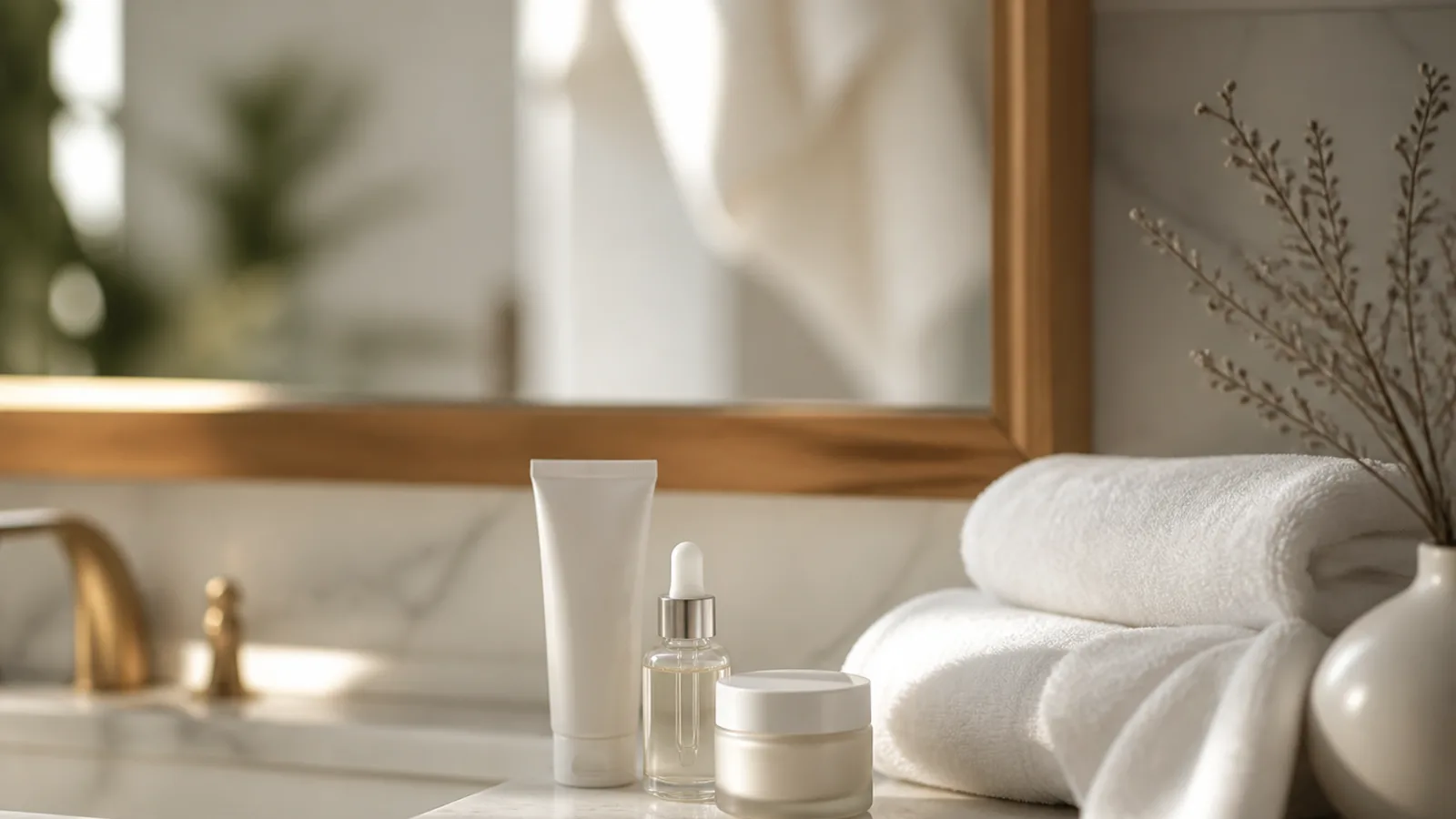
A smart anti-aging routine does not need to become longer, harsher or more expensive with every birthday. The best approach is usually simpler: keep the basics that work, then adjust texture, frequency and barrier support as your skin changes.
This guide builds an anti-aging skincare routine by age for your 30s, 40s and 50s around four core steps: daily sunscreen, a retinoid, an antioxidant and a moisturizer. The products may change over time, but the framework stays surprisingly steady.
Think of your routine like a wardrobe: the staples stay, but the fabrics, fit and layers change with the season you are in.
The Core Anti-Aging Routine That Works at Every Age
Before you buy another serum, start with the routine that carries the most weight. Most people do not need ten steps. They need a few reliable products used consistently.
- Sunscreen every morning: Choose broad-spectrum SPF 30 to SPF 50+. If you live in a high-UV region, such as Australia or the southern United States, or you spend long periods outdoors, SPF 50+ and water resistance are especially useful. The American Academy of Dermatology offers practical guidance on choosing sunscreen.
- A retinoid at night: Retinoids, including retinol, retinal and prescription options, are among the best-supported topical ingredients for improving the look of texture, fine lines and uneven tone. They can irritate, so frequency matters.
- An antioxidant in the morning: Vitamin C is popular, but it is not the only option. Antioxidants can help support brighter-looking skin and pair well with sunscreen.
- A moisturizer that matches your skin now: As skin becomes drier or more reactive, moisturizer becomes the product that helps you tolerate everything else.
Your simple forever framework can look like this:
- Morning: Cleanse or rinse, antioxidant, moisturizer if needed, sunscreen.
- Evening: Cleanse, retinoid on selected nights, moisturizer.
If you have persistent irritation, painful acne, suspected rosacea, melasma, eczema-like flares, changing moles or sudden skin changes, see a dermatologist or qualified clinician. Skincare can do a lot, but it should not replace medical advice when something is ongoing or concerning.
Anti-Aging Skincare Routine by Age: Your 30s, 40s and 50s
Your age is a useful starting point, not a strict rule. A 35-year-old with dry, sensitive skin may need a gentler routine than a 50-year-old who has used retinoids for years. Use the decade guidance below as a framework, then adjust for your skin type, climate, budget and tolerance.
Your routine in your 30s
In your 30s, you may begin noticing early fine lines, dullness, post-breakout marks, uneven tone or the first visible signs of sun damage. Skin may still be oily or combination, so lightweight textures often work well. This is the decade to build habits rather than chase aggressive treatments.
Morning routine:
- Gentle cleanser or water rinse: If your skin is oily or you work out in the morning, use a mild cleanser. If your skin feels balanced, a rinse may be enough.
- Antioxidant serum: Vitamin C can be useful for brightness and uneven tone. If it stings or causes breakouts, try a gentler antioxidant formula or use it less often.
- Lightweight moisturizer: Use one if your skin feels tight or your sunscreen is not hydrating enough.
- Broad-spectrum sunscreen: Apply SPF 30 to SPF 50+ every morning, including cloudy days and work-from-home days if you sit near windows.
Evening routine:
- Cleanse: Remove sunscreen, makeup and the day’s buildup without leaving your face squeaky or tight.
- Retinoid two to three nights a week: Start with a pea-sized amount for the whole face. Beginner-friendly over-the-counter retinol products are often easier to tolerate than jumping straight into stronger formulas.
- Moisturizer: Apply after your retinoid, or use the sandwich method if you are sensitive.
- Recovery nights: On non-retinoid nights, keep it simple with moisturizer only.
A practical beginner schedule is retinoid on Monday and Thursday, then moisturizer-only the other nights. If your skin stays comfortable after a few weeks, you can slowly add another night.
Be careful with exfoliation in your 30s. A gentle acid product once weekly may help texture or clogged pores, but it is not mandatory. Avoid starting a retinoid and strong exfoliating acids at the same time.
If you are pregnant, trying to conceive or breastfeeding, avoid retinoids unless your clinician specifically advises otherwise. Ask your doctor, midwife or dermatologist about suitable alternatives for your situation.
Your routine in your 40s
In your 40s, skin may begin to feel drier, thinner or slower to recover from irritation. Fine lines, pigmentation and loss of bounce can become more visible. Hormonal shifts can also affect breakouts, sensitivity and moisture levels.
The goal is not to add more actives automatically. It is to protect your skin barrier so you can stay consistent.
Morning routine:
- Gentle cleanse or rinse: If your face feels dry in the morning, do not force a foaming cleanse. A rinse may be enough.
- Antioxidant serum: Use vitamin C if you tolerate it. If L-ascorbic acid stings, look for a gentler vitamin C derivative, a niacinamide serum or another antioxidant product.
- Barrier-supporting moisturizer: Look for ingredients such as glycerin, ceramides, squalane, panthenol or hyaluronic acid. Your skin’s response matters more than a trendy label.
- Broad-spectrum SPF: Choose a sunscreen texture you like enough to apply generously. If it pills, reduce the number of layers underneath or switch formulas.
Evening routine:
- Cleanse thoroughly but gently: If you wear long-wear makeup or water-resistant sunscreen, you may prefer a balm or oil cleanser followed by a mild cleanser.
- Retinoid on a consistent schedule: Three nights a week may work well if your skin tolerates it. If not, two nights is still worthwhile.
- Richer moisturizer: Move from gel to lotion, or lotion to cream, if your skin feels tight after cleansing.
- Optional support: Niacinamide, peptides or azelaic acid may be useful for some people, but they are extras, not essentials.
A balanced 40s schedule might be retinoid Monday, Wednesday and Saturday; moisturizer-focused recovery the other nights. To use the sandwich method, apply a thin layer of moisturizer, let it settle for a few minutes, apply a pea-sized amount of retinoid, then finish with another thin layer of moisturizer. This can make retinoids easier to tolerate, especially on dry skin.
If your face stings when you apply moisturizer, pause active products for several nights and use a simple cleanser-moisturizer-sunscreen routine until your skin settles. If pigmentation is stubborn, or you suspect melasma, professional guidance can save time and irritation.
Your routine in your 50s and beyond
In your 50s, menopause and declining estrogen can contribute to dryness, sensitivity, reduced elasticity and a weaker-feeling barrier. Not everyone experiences this the same way, but many people find that the products they used easily in their 30s suddenly feel too strong or too light.
This is the decade to prioritize comfort. A routine only works if your skin can tolerate it.
Morning routine:
- Creamy cleanser or rinse: Avoid stripping cleansers if your skin feels dry, itchy or tight.
- Antioxidant: Use a serum if you like it, or choose a moisturizing antioxidant cream if serums feel drying.
- Hydrating layer if helpful: A glycerin or hyaluronic acid serum can be useful under cream, especially on slightly damp skin.
- Rich moisturizer: Look for cushioning textures with barrier-supporting ingredients.
- Moisturizing sunscreen: A more emollient SPF can double as a final comfort layer.
Evening routine:
- Gentle cleanse: Use lukewarm water, not hot water, and avoid aggressive rubbing.
- Retinoid one to three nights a week: You do not need to use it nightly to benefit. If a prescription retinoid has become too irritating, ask your clinician whether a lower strength, different base or gentler option would suit you better.
- Rich moisturizer or balm on dry areas: Apply a richer cream after your retinoid. On very dry patches, a petrolatum-style balm can be used as the last step if it does not trigger congestion for you.
- Barrier nights: Between retinoid nights, focus on hydration and repair rather than more actives.
A comfort-first schedule might be retinoid Monday and Friday, with barrier cream the other nights. If your skin feels tight again by lunchtime, your morning moisturizer may not be rich enough, or your cleanser may be too stripping.
Eye cream is optional. If you enjoy the texture, use one. If not, a gentle moisturizer can often be used around the orbital bone, avoiding the lash line unless the product is designed for that area.
The Saveable Decade Snapshot
- 30s focus: Prevention and habits. Use lightweight hydrators, daily sunscreen, a beginner retinoid a few nights weekly and an antioxidant if tolerated.
- 40s focus: Barrier support and even tone. Use creamier moisturizers, a consistent but not aggressive retinoid schedule, and targeted support such as niacinamide if useful.
- 50s focus: Lipid replenishment and comfort. Use creamy cleansers, richer moisturizers, fewer irritating layers and retinoids only as often as your skin comfortably allows.
What to Keep the Same in Every Decade
The most effective routines are repetitive in the best way. These habits remain useful whether you are 32 or 62:
- Wear sunscreen every morning on exposed skin, including face, neck, chest and hands when practical.
- Use a retinoid if appropriate and tolerated, adjusting frequency instead of forcing nightly use.
- Use an antioxidant if your skin likes it, especially if dullness or uneven tone is a concern.
- Moisturize according to dryness, not according to marketing claims or age labels.
- Cleanse gently so your skin does not feel stripped before you even apply treatment products.
- Introduce one new product at a time so you can tell what helps and what irritates.
If you can only manage three things, choose sunscreen, moisturizer and a retinoid if it is appropriate for you. If you can add one extra, make it an antioxidant rather than several overlapping serums.
What to Change as Skin Gets Drier or Hormones Shift
When skin changes, many people assume they need a stronger routine. Often, they need a kinder one.
Change texture before changing everything
If your old products no longer feel comfortable, move up in richness: gel to lotion, lotion to cream, cream to balm on dry patches. You may not need a new active ingredient at all. You may simply need a moisturizer that better supports your barrier.
Reduce irritation triggers
Cut back on harsh scrubs, frequent acid exfoliation, alcohol-heavy toners and stacking too many actives at once. If your retinoid causes dryness, try using it less often, applying moisturizer first or avoiding delicate areas. If irritation is severe, persistent or painful, stop and seek professional advice.
Support the skin barrier
Barrier-friendly ingredients include ceramides, glycerin, panthenol, squalane and petrolatum-type occlusives where suitable. Simple changes also help: use lukewarm water, avoid over-cleansing and moisturize while skin is still slightly damp.
Budget Anti-Aging Routine: What to Buy First
You do not need a luxury shelf to build an effective routine. Spend your money where consistency matters most.
The essential budget tier
- Gentle cleanser: Save here. It is washed off, so it does not need elaborate claims.
- Broad-spectrum sunscreen: Spend enough to get a texture you will use generously every day.
- Moisturizer: Choose a simple formula that keeps your skin comfortable.
- Retinoid: Start with a strength and format you can tolerate. More expensive does not automatically mean better.
- Antioxidant: Add this when your basics are stable and your budget allows.
A budget routine can be as simple as:
Morning: Rinse or cleanse, optional antioxidant, moisturizer if needed, sunscreen.
Evening: Cleanse, retinoid on planned nights, moisturizer.
Where to spend and where to save
- Spend on sunscreen if the texture makes you more consistent.
- Save on cleanser as long as it is gentle and effective.
- Save on basic moisturizer by choosing barrier ingredients over perfume, packaging or dramatic claims.
- Be practical with antioxidants; choose stable packaging and good tolerance over hype.
If you can only buy three products, make them sunscreen, moisturizer and a retinoid if appropriate. Add the antioxidant later.
Skip This: Anti-Aging Products You Probably Do Not Need
One of the most useful anti-aging decisions is knowing what not to buy.
- Harsh physical scrubs: Especially if your skin is dry, sensitive or already using retinoids.
- Multiple exfoliating acids at once: More exfoliation often means more irritation, not better results.
- Separate neck cream: Unless you love the texture, many face moisturizers can be used on the neck.
- Expensive cleansers with dramatic anti-aging claims: A cleanser is not on your skin long enough to do the heavy lifting.
- “Botox in a bottle” claims: Topical products cannot mimic injectable procedures.
- Too many serums with overlapping ingredients: If you cannot explain why each one is there, you may not need all of them.
- Fragranced products that irritate you: Enjoyable texture matters, but not at the cost of redness or stinging.
- At-home devices with unrealistic claims: Some people enjoy devices, but they require consistent use and should not replace the basics.
Instead of buying three anti-aging serums, choose one antioxidant and one moisturizer you will actually finish. Instead of a rough scrub, consider occasional gentle exfoliation only if your skin tolerates it.
Common Mistakes That Make Your Routine Less Effective
- Using sunscreen only on sunny days: UV exposure still matters on cloudy days and through some windows.
- Applying too little sunscreen: A thin dab is unlikely to give the protection listed on the label.
- Starting a strong retinoid every night: Irritation can make you quit before you see benefits.
- Changing products too quickly: Unless a product is clearly irritating you, give your routine time before judging it.
- Layering too many actives: Retinoids, acids and strong vitamin C products can overwhelm skin when introduced together.
- Ignoring the neck, chest and hands: These areas often show sun exposure and dryness too.
- Expecting overnight firming: Topical skincare can improve the look of hydration, tone and texture, but it cannot stop aging.
How to Build Your Routine Without Overbuying
If your bathroom cabinet is already crowded, do not start by adding more. Start by editing.
- Weeks 1 to 2: Use only cleanser, moisturizer and sunscreen. Get your skin calm and predictable.
- Weeks 3 to 4: Add a retinoid twice weekly at night. Moisturize well.
- Week 5 and beyond: Add an antioxidant in the morning if your skin is comfortable.
- After that: Consider one targeted extra only if you have a specific concern, such as stubborn pigmentation or congestion.
A simple skin diary can help if you are prone to breakouts or irritation. Note what you used, how often, and what changed. It is not glamorous, but it is far more useful than guessing.
Seasonal shifts matter too. You may need a richer cream in winter and a lighter lotion in summer. That does not mean your routine has failed; it means your skin is responding to its environment.
When to See a Dermatologist or Qualified Skin Professional
Consider professional advice if you have persistent redness, burning, painful acne, eczema-like flares, suspected rosacea, melasma, rapidly changing pigmentation or a mole that looks different from your others. You should also seek guidance if you are interested in prescription retinoids, pigment treatments, in-office procedures or menopause-related skin concerns that are not improving with gentle care.
For mole changes or skin cancer concerns, do not rely on skincare advice. Organizations such as the Skin Cancer Foundation provide general education, but a clinician should assess anything suspicious.
FAQ
What is the best age to start an anti-aging skincare routine?
The best time is when you can be consistent with the basics, especially sunscreen. Many people start in their late 20s or 30s, but it is never too late to improve sun protection, hydration and skin texture.
Do I need a different routine in my 40s than in my 30s?
Usually, the structure stays the same, but the textures and frequency may change. In your 40s, you may need richer moisturizer, more barrier support and a gentler approach to exfoliation or retinoids.
Should I use retinol every night?
Not necessarily. Some people tolerate nightly retinoid use, while others do better with one to three nights per week. Start slowly and increase only if your skin stays comfortable. Avoid retinoids if you are pregnant, trying to conceive or breastfeeding unless your clinician gives you different guidance.
Is vitamin C necessary for anti-aging?
No single antioxidant is mandatory. Vitamin C is helpful for many people, particularly for dullness and uneven tone, but it can irritate some skin. If it does not suit you, choose another antioxidant or focus on sunscreen, retinoid and moisturizer first.
What is the most important anti-aging product?
Sunscreen is the most important daily product because UV exposure is a major contributor to visible skin aging. The best sunscreen is one you like enough to apply generously and consistently.
Building an Anti-Aging Skincare Routine by Age That You Will Actually Stick To
The best anti-aging skincare routine by age is not about adding more products every decade. It is about keeping the proven basics and adjusting them wisely: sunscreen every morning, a retinoid at night if appropriate, an antioxidant if tolerated and a moisturizer that matches your skin’s current needs.
In your 30s, build the habits. In your 40s, protect the barrier. In your 50s and beyond, prioritize comfort and consistency. Your routine should help your skin look and feel better, not turn your bathroom shelf into a second job.



Join the conversation
Sign in — Sign in to join the conversation.