
Same breakfast. Same walks. Same "I'll be careful this week" reset that used to work in your thirties. Yet somewhere after 40, the scale stops cooperating and your waistband seems to have its own plans.
When it comes to weight loss after 40, women are often told their bodies are broken. They aren't. Your metabolism hasn't fallen off a cliff. What has changed is more specific, and more fixable: muscle tends to fade unless you train it, hormones can shift where fat settles, sleep and stress make consistency harder, and everyday movement quietly drops.
Here is what actually changes, a quick myth check, and a prioritised plan built on strength, protein and daily movement, plus better ways to measure progress than the scale alone.
What actually changes after 40, and what doesn't
Your metabolism is slower, not broken
A large 2021 analysis of energy expenditure across the human lifespan, published in Science, found that once body size and composition are accounted for, metabolic rate stays fairly stable from early adulthood through midlife. More noticeable declines tended to appear later, from around 60 onwards.
So why does it feel harder? Usually because several smaller changes stack up: less muscle, less daily movement, poorer sleep, more stress and the hormonal shifts of perimenopause. The encouraging part is that most of these sit in areas you can influence.
Muscle: the quiet change that matters most
Without deliberate training, muscle mass and strength tend to decline gradually from midlife. The pace varies a lot between individuals, but the direction is consistent: if your muscles aren't given a reason to stay, they slowly fade.
Think of muscle as your engine. It supports blood sugar control, balance, joint stability, bone health and everyday strength, from carrying shopping to getting up off the floor. And if you lose weight by dieting alone, some of that loss can come from muscle, which can leave you smaller but weaker, and more prone to regain.
Hormones: perimenopause in plain terms
Perimenopause often begins in the 40s, sometimes earlier, and can last several years. Oestrogen fluctuates before it eventually declines, which can affect sleep, mood, appetite, recovery, cycle regularity, hot flushes (hot flashes, if you're in North America) and night sweats.
Many women notice more weight settling around the middle. Menopause is linked more consistently with this shift in fat distribution than with a large, unavoidable gain on the scale. Hormones are real, but they are not a life sentence.
Hormone therapy, called HRT or MHT depending on where you live, is not a weight-loss treatment. For some women it may ease symptoms such as night sweats and broken sleep, which can make healthy habits easier to sustain. It is an individual decision to make with a doctor. The NHS and Healthdirect Australia offer clear general information. An underactive thyroid also becomes more common with age and can contribute to fatigue and weight gain, so if that sounds familiar, ask for a check rather than guessing.
Sleep and stress multiply everything
Short or broken sleep is linked with stronger hunger, more cravings for energy-dense foods and less motivation to move or cook. Stress works in a similar way. Cortisol gets blamed for a lot in midlife, but the more reliable pattern is practical: stress disrupts sleep, encourages comfort eating and drains the mental energy needed to plan meals or workouts. Caring responsibilities and career pressure are real factors, not excuses.
Everyday movement drops quietly
Formal exercise is only part of the picture. Walking, standing, chores, gardening and stairs all count, and they shrink without you noticing: the commute disappears, meetings move online, tiredness keeps you seated. Across a week, that difference can matter more than one gym class.
After 40, weight loss isn't about eating less and doing more cardio. It's about keeping muscle, eating enough protein, moving often and recovering better.
Myths vs evidence: a quick reality check
- "Your metabolism crashes at 40." Not supported. Changes in midlife are gradual and driven largely by muscle and activity.
- "Weight gain in menopause is inevitable." Common, but not inevitable. Where fat is stored changes more predictably than total weight.
- "Cardio is the best way to lose weight after 40." Cardio is great for your heart, but strength training protects the muscle that shapes long-term results.
- "Lifting weights will make you bulky." Very unlikely without highly specific training and eating. Mostly, it makes you stronger and firmer.
- "Fasting, keto or hormone-balancing supplements are the secret." Eating patterns can work for some people because they reduce intake, but they have no special midlife advantage. Be wary of supplements promising to balance hormones or melt belly fat; the evidence isn't there.
Weight loss after 40 for women: your prioritised plan
If time and energy are limited, do these three things, in this order. Everything else supports them.
Priority 1: Strength train two to three times a week
Strength training is the most direct way to protect and build muscle, and it supports bone health too. A full-body session of 30 to 45 minutes is enough. Try this beginner routine at home or in the gym:
- Goblet squat: 2 to 3 sets of 8 to 12 reps.
- Romanian deadlift with dumbbells: 2 to 3 sets of 8 to 12 reps.
- Incline push-up: 2 to 3 sets of 6 to 10 reps.
- One-arm dumbbell row: 2 to 3 sets of 8 to 12 reps per side.
- Glute bridge: 2 to 3 sets of 10 to 15 reps.
- Farmer's carry: 3 short walks holding a weight in each hand.
Where to start with weights: if you're completely new, begin lighter than you think. Many beginners use dumbbells of roughly 2 to 5 kg (5 to 10 lb) for upper-body moves and somewhat heavier for squats and deadlifts, though this varies widely. A broomstick is a great way to practise the hip hinge before adding load. If 12 reps feel effortless, the weight is too light; if your form breaks down before 8, it's too heavy.
Push-up progression: start with your hands on the kitchen counter, then move to a sturdy table, then a step, then the floor. Each stage is genuine progress.
When you can complete every rep with good form and a couple still in reserve, add a little weight or a few reps. If you have joint pain, osteoporosis, pelvic floor symptoms or old injuries, a session or two with a physiotherapist or qualified trainer can help you find a version that works. Expect results to show in strength and how clothes fit before they show on the scale.
Priority 2: Eat protein at every meal
Protein supports muscle repair and retention, especially alongside strength training, and it is filling, which makes a modest calorie deficit easier. Needs vary with body size, activity and health. Many active midlife adults aim above the basic minimum, often somewhere around 1.0 to 1.6 grams per kilogram of body weight per day (roughly 0.45 to 0.75 grams per pound). For a woman weighing 70 kg (154 lb), that works out at about 70 to 110 grams a day. If you have kidney disease or have been told to limit protein, check with your doctor or a dietitian first.
Prefer not to count? Aim for a palm-sized or slightly larger portion at each meal, spread through the day rather than saved for dinner. Here's a quick protein audit of an ordinary day:
- Breakfast: toast and jam becomes eggs on wholegrain toast, or Greek yoghurt or skyr with berries and seeds.
- Lunch: a plain salad becomes salad with chickpeas, tuna, chicken or tofu.
- Snack: crackers become cottage cheese, edamame or a boiled egg.
- Dinner: pasta with tomato sauce gains lentils, chicken or white beans.
Plant-based options include lentils, beans, tofu, tempeh, seitan and fortified soya products. Many women find breakfast is the weakest link, and fixing it alone can calm afternoon grazing.
Priority 3: Move more every day, not just in workouts
There's no magic step count; 10,000 is a popular round number rather than a scientific threshold. Instead, notice your current baseline and raise it gradually:
- Walk for 10 minutes after dinner, which may also help with blood sugar after meals.
- Take phone calls on the move.
- Park further away or get off public transport a stop early.
- Choose one active social plan a week, such as a hike, swim or dance class.
Keep cardio you enjoy for your heart and mood. Just don't let it replace your strength sessions.
Build a modest deficit without crash dieting
Losing fat still requires eating a little less energy than you use, but after 40 the size of that gap matters. Aggressive restriction tends to cost muscle, sleep, mood and training quality, and often ends in rebound.
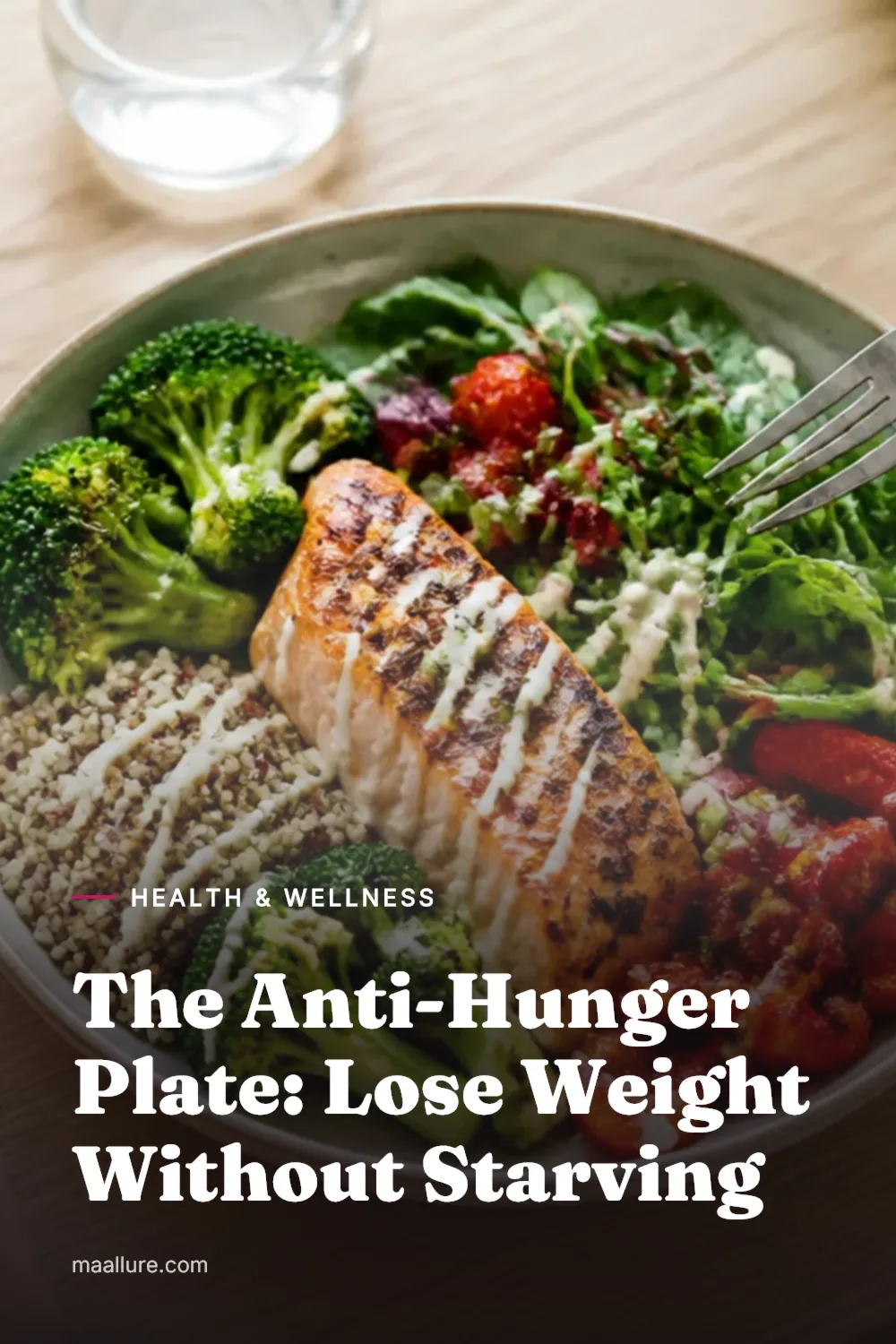
- Use a simple plate: half vegetables, a quarter protein, a quarter starchy carbohydrate, plus a little healthy fat.
- Lean on fibre: vegetables, fruit, pulses and whole grains help you feel full.
- Plan your danger zone: if 4 p.m. is cupboard-raid time, schedule a proper protein snack.
- Keep foods you love: banning everything enjoyable usually leads to all-or-nothing cycles.
Alcohol deserves an honest note. Many women find it affects them more in midlife: it adds energy, disrupts sleep, can trigger hot flushes for some and loosens resolve around food. Cutting frequency or serving size can make a noticeable difference. Food tracking can be a useful short-term learning tool for some, but it's optional, and not advisable if you have a history of disordered eating.
Protect sleep and recovery
- Keep a consistent wake time most days.
- Stop caffeine by early afternoon if you're sensitive to it.
- Keep the bedroom cool, especially with night sweats.
- Have alcohol earlier, or less of it, in the evening.
- Treat rest days as part of the plan, not a lapse.
If hot flushes, night sweats, anxiety or low mood are wrecking your sleep, that's a reason to see a doctor, not something to simply push through.
What a realistic week can look like
An illustrative week, not a rulebook:
- Monday: 35-minute strength session; short walk after dinner.
- Tuesday: brisk lunchtime walk; protein-forward meals.
- Wednesday: strength session, even if only 25 minutes.
- Thursday: active commute or longer walk; earlier night.
- Friday: third strength session, or a 20-minute minimum version of squats, rows and push-ups.
- Saturday: something enjoyable and active, such as hiking, swimming, gardening or dancing.
- Sunday: rest; batch-cook two protein-rich lunches.
On a chaotic week, aim for the floor, not the ceiling: two short strength sessions, protein at breakfast and a daily walk. That still counts.
Measure progress beyond the scale
Water shifts, a salty meal, an irregular perimenopausal cycle and early muscle gain can all mask fat loss on the scale. Track a wider set of markers with a simple monthly check-in:
- Waist measurement, taken at the same spot.
- How your jeans and fitted tops feel.
- One strength marker, such as a heavier dumbbell or a lower push-up incline.
- Sleep quality, energy and cravings, rated simply as good, okay or poor.
- Blood pressure, cholesterol and blood glucose at regular check-ups.
Daily weighing is fine if it doesn't affect your mood; it's a choice, not a requirement. A month where the scale barely moves but your waist is smaller and your deadlift heavier is a success.
How long will it take?
Longer than in your twenties, and probably longer than you'd like. Steady, modest loss is typical and more likely to last. Plateaus are normal: before cutting food further, check your sleep, stress, portion creep, daily movement and whether you're still getting stronger. The best results after 40 are measured in years of better health, not weeks.
When to talk to a professional
- Unexplained weight change, persistent fatigue, feeling cold, hair loss, heavy periods or low mood: ask about thyroid, iron and other checks.
- Disruptive perimenopause or menopause symptoms: discuss options with your GP, family doctor or a menopause specialist.
- Diabetes, heart disease, kidney disease, osteoporosis or significant joint pain: get tailored advice before major changes.
- Medications that may affect weight: review them with your prescriber and never stop them on your own.
- Weight-loss medications such as GLP-1 receptor agonists: a medical decision. If prescribed, strength training and adequate protein matter even more, as weight loss can include muscle.
- A history of disordered eating: seek specialist support; weight loss may not be the right goal.
Frequently asked questions
Why is it harder to lose weight after 40 if my metabolism hasn't crashed?
Because several gradual changes add up: less muscle, less daily movement, poorer sleep, more stress and hormonal shifts that affect appetite and where fat is stored. Adjusting your plan around strength, protein, movement and recovery addresses most of them.
Is cardio or strength training better for weight loss after 40?
Both help, but strength training deserves priority because it protects muscle and supports bone health. Cardio is excellent for your heart and mood. Two to three strength sessions a week plus regular walking is a strong combination.
How much protein do women over 40 need?
It varies. Many active midlife women aim for roughly 1.0 to 1.6 grams per kilogram of body weight per day (about 0.45 to 0.75 grams per pound). If you'd rather not count, have a palm-sized or larger portion at each meal. Check with your doctor first if you have kidney disease.
Does HRT help with weight loss?
HRT or MHT is not a weight-loss treatment. For some women it may improve symptoms like hot flushes and poor sleep, which can make healthy habits easier. Benefits and risks depend on your history, so discuss it with a qualified clinician.
How quickly should I expect results?
Strength and energy often improve within a few weeks. Visible changes usually take longer and are best judged over months. Watch trends in your waist, strength and wellbeing, not just the daily number on the scale.
The bottom line
A sustainable approach to weight loss after 40 for women isn't about extreme restriction, punishing cardio or fear of your hormones. It's a steady plan that respects what has changed: lift something heavy-ish a few times a week, eat protein at every meal, move more throughout the day and take sleep and stress seriously.
Your metabolism hasn't betrayed you. Your body is simply asking for a different strategy. Give it one that makes you stronger, healthier and more capable, not just smaller.





Join the conversation
Sign in — Sign in to join the conversation.